

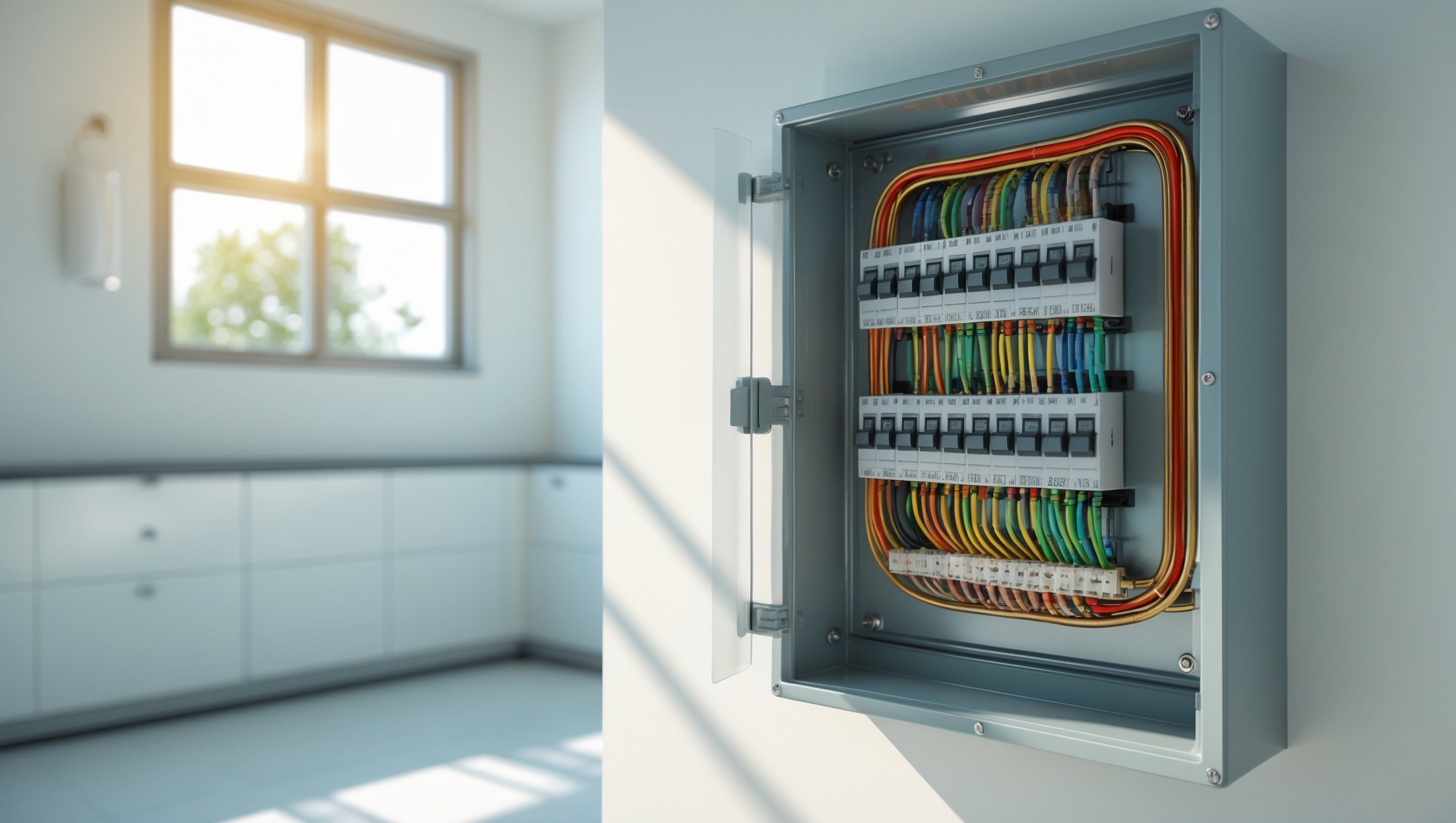
Introduction: Why Upgrading Your Home Fuse Box Matters
When was the last time you thought about your home’s fuse box? For many homeowners, the fuse box—also known as the electrical panel—is out of sight and out of mind until something goes wrong. Yet, this unassuming gray box is the heart of your home’s electrical system. It controls and distributes power to every circuit, ensuring appliances, lights, and devices operate safely. If your home still uses an outdated fuse box, or your breaker panel hasn’t been evaluated in decades, you could be facing hidden safety hazards, insurance issues, and limitations on modern upgrades. An outdated fuse box often can’t handle today’s electrical loads, increases fire risk, and may not comply with local codes or insurance requirements. Upgrading your fuse box is not just about convenience—it’s a critical move for safety, efficiency, and future-proofing your home. In this expert guide, we’ll walk you through everything you need to know about upgrading your home fuse box: why it’s important, how to plan and budget, a comprehensive safety checklist, and a step-by-step overview of the upgrade process. Whether you’re a seasoned DIYer or planning to hire a pro, this guide is packed with practical detail to help you make smart, safe decisions.
Understanding Your Current Fuse Box: When Is It Time for an Upgrade?
Signs Your Fuse Box Needs Attention
- Frequent blown fuses or tripped breakers: A telltale sign your panel is overloaded or failing.
- Fuses instead of circuit breakers: Most modern homes use breaker panels; fuses are outdated and can be unsafe.
- Crackling sounds, burning smells, or heat: These are urgent red flags for electrical hazards.
- Corroded, rusty, or visibly damaged panel: Moisture or age can degrade safety.
- Insufficient amperage: Old panels may only support 60-100 amps, far below the 200 amps recommended for modern homes.
- Lack of grounding: Older panels may not provide adequate protection against electrical faults.
- Insurance or code compliance issues: Some insurers won’t cover homes with obsolete panels, and local codes may require upgrades.
Common Types of Fuse Boxes and Panels
- Fuse boxes (pre-1960s): Use screw-in fuses. Often undersized and lacking safety features.
- Early breaker panels (1960s-1980s): Safer than fuses, but may still be outdated or recalled (e.g., Federal Pacific, Zinsco).
- Modern breaker panels (post-1980s): Offer improved safety, higher capacity, and better compatibility with today’s appliances.
Safety First: Essential Precautions Before Starting
Why Fuse Box Work Is High-Risk
Upgrading a fuse box involves direct interaction with high-voltage lines and critical home wiring. Even a minor mistake can result in electrical shock, fire, or damage to your home’s electrical system. For most homeowners, hiring a licensed electrician is the best course of action. However, understanding the process and safety requirements is vital, even if you don’t plan to DIY.
Fuse Box Upgrade Safety Checklist
- Turn off main power: Always shut off power at the main disconnect before opening the panel.
- Verify power is off: Use a non-contact voltage tester to confirm no live current in the panel.
- Wear proper PPE: Insulated gloves, safety glasses, and non-conductive footwear are essential.
- Keep the workspace dry: Never work on electrical systems in wet or damp conditions.
- Have a partner nearby: In case of emergency, someone should be able to call for help.
- Check for asbestos or lead paint: Many older panels are mounted on walls with hazardous materials. Take appropriate precautions if found.
- Know your limits: If you’re not 100% confident, hire a licensed electrician for the upgrade.
Planning and Budgeting: What to Expect
Cost Breakdown for a Fuse Box Upgrade
- Electrical panel (breaker box): $150–$500 for most residential panels (100–200 amps).
- Labor (electrician): $800–$2,500 depending on complexity, location, and local rates.
- Permit fees: $50–$300, depending on your municipality.
- Additional materials: New breakers ($10–$50 each), wiring, connectors, grounding rods, and other supplies ($100–$300).
- Optional upgrades: Whole-home surge protector ($100–$300), subpanels, or smart monitoring ($150–$500).
Total typical cost: $1,200–$3,500 for most homes. Costs can rise with added circuits, rewiring, or repairs to meet code.
Factors That Affect the Cost
- Panel capacity: Upgrading from 100 to 200 amps is pricier than a simple panel swap.
- Accessibility: Hard-to-reach panels, tight crawl spaces, or finished walls increase labor.
- Electrical code upgrades: Older homes may need new grounding, bonding, or rewiring for compliance.
- Utility coordination: Some upgrades require temporary power shutoff or meter upgrades by your utility provider.
Budgeting Tips
- Get multiple quotes: Always compare at least three licensed electricians.
- Don’t cut corners on safety: Cheaper isn’t better if it risks your home.
- Plan for future needs: Consider potential additions like EV chargers, solar, or new appliances.
Permits, Compliance, and Inspection Essentials
Why Permits Are Mandatory
Electrical work is tightly regulated for your safety. Most jurisdictions require permits for panel upgrades. Completing work without a permit can void insurance and lead to fines or forced rework.
- Contact your local building department: Ask about required permits, fees, and inspection schedules.
- Plan for inspection: You’ll need to schedule an inspection once the upgrade is complete and before the panel is closed up.
- Documentation: Keep all permits, inspection reports, and electrician licenses for your records and future resale.
Insurance Notification
- Inform your insurer: Some companies require notification of major electrical upgrades.
- Potential for discounts: Upgraded electrical systems may qualify for reduced premiums.
Essential Tools and Materials
- Non-contact voltage tester
- Insulated screwdriver set
- Wire strippers and cutters
- Drill/driver and bits
- Fish tape for running wires
- Label maker or tape for circuit identification
- New electrical panel (breaker box)
- Compatible circuit breakers
- Grounding rods and wire
- Electrical conduit and connectors (as needed)
- Cable clamps and fasteners
- Personal protective equipment: gloves, glasses, insulated boots
Step-by-Step Guide: Upgrading Your Fuse Box
Disclaimer: Upgrading a fuse box is a high-risk, advanced project. This section is for educational purposes only. Always hire a licensed electrician unless you have professional training.
1. Preparation and Power Shutoff
- Notify your utility company: Some upgrades require the utility to disconnect power at the meter.
- Inform household members: Let everyone know power will be off for several hours.
- Turn off all sensitive electronics: This prevents damage from sudden outages or surges.
2. Remove Old Fuses or Breakers
- Open the panel cover: Use an insulated screwdriver for safety.
- Label all existing wires and circuits: Take photos and use labels for reference during the swap.
- Remove old fuses or breakers: Carefully disconnect wires from terminals.
3. Detach and Remove the Old Panel
- Unscrew the panel from the wall: Support wires to prevent strain.
- Inspect wall for damage: Check for signs of water, pests, or structural issues.
4. Install the New Breaker Panel
- Mount the panel securely: Ensure it’s level and attached to studs or solid backing.
- Install new grounding and bonding: Follow local code for ground rods and bonding jumpers.
- Route all wires neatly: Use cable clamps and avoid sharp bends.
5. Reconnect Circuits
- Strip wires and connect to new breakers: Double-check wire gauge matches breaker size.
- Label each breaker: Use a diagram or legend for future reference.
- Install main breaker: Connect service lines per manufacturer instructions.
6. Inspection and Power Restoration
- Schedule inspection: Local inspectors will check connections, grounding, and compliance.
- Close the panel and turn on power: Once approved, restore power and test each circuit individually.
- Dispose of old equipment safely: Many municipalities have e-waste guidelines for electrical components.
Post-Upgrade Checklist: Maintenance and Safety Tips
- Test breakers monthly: Flip each breaker on and off to ensure smooth operation.
- Check for heat or buzzing sounds: These can indicate loose connections or faulty breakers.
- Update your circuit directory: Make sure labels are current after any changes.
- Schedule periodic inspections: A licensed electrician should inspect your panel every 5–10 years.
- Keep the area clear: Never store flammable materials near the panel. Maintain at least three feet of clearance in front of the box.
- Install surge protection: Consider a whole-home surge protector to guard sensitive electronics.
Frequently Asked Questions
Can I upgrade my fuse box myself?
While some experienced DIYers tackle panel upgrades, most homeowners should hire a licensed electrician due to the high risk and code compliance requirements.
How long does a panel upgrade take?
Most residential upgrades are completed in 6–12 hours, but complex jobs may take longer, especially if rewiring or utility coordination is involved.
Will upgrading my fuse box increase home value?
Yes—a modern, code-compliant panel is a selling point, provides peace of mind, and may qualify you for insurance discounts.
Conclusion: Investing in Electrical Safety for Peace of Mind
Upgrading your home fuse box is one of the most impactful improvements you can make for safety, reliability, and future readiness. While it’s not a glamorous project, it’s a vital foundation for every other upgrade you’ll ever make—from kitchen remodels to smart home tech and electric vehicles. By understanding the signs of an outdated panel, following strict safety precautions, and budgeting for both materials and professional labor, you ensure your home meets modern standards and protects your family from electrical hazards. Always prioritize proper permits and inspections—these aren’t just bureaucratic hurdles, but essential checks to guarantee your upgrade is safe and insurable. Even after the upgrade, routine maintenance and vigilance are key to long-term peace of mind. With a modern breaker panel, you’re not just reducing risk—you’re adding value, efficiency, and flexibility for years to come. If you’re unsure about any step, don’t hesitate to consult a licensed electrician. Your home’s electrical backbone deserves nothing less than expert attention and care.
If my fuse box is still using fuses instead of breakers, does that automatically mean I need to replace the entire panel, or are there situations where an upgrade isn’t immediately required? I’m curious about options for homeowners who still have functional fuse boxes.
Having a fuse box instead of breakers doesn’t always mean an immediate upgrade is required, especially if your system is functioning safely and meets your household’s electrical needs. However, older fuse boxes may not handle modern electrical loads well and can pose safety risks. If you’re expanding your home’s wiring or experience frequent blown fuses, a replacement is strongly recommended. For now, ensure your fuse box is in good condition, properly labeled, and not overloaded, but consider planning for an upgrade.
You listed burning smells and crackling sounds as serious warning signs. If I notice only occasional warmth or slight buzzing from my panel, does that also indicate it’s time for an immediate upgrade?
Occasional warmth or buzzing from your fuse box isn’t normal and can point to possible electrical issues, such as loose connections or an overloaded circuit. Even if these signs seem minor, they shouldn’t be ignored, as they can develop into bigger safety hazards. It’s a good idea to have a licensed electrician inspect the panel soon to determine whether an upgrade or repair is needed.
You brought up budgeting for a new fuse box—what are some typical unexpected costs homeowners run into during the upgrade process that I should plan for?
Homeowners often face unexpected costs like rewiring older circuits to meet current codes, fixing hidden water damage or pest issues behind walls, and upgrading the main electrical panel if the existing one is too outdated. Sometimes, permits and inspection fees are higher than expected, or minor repairs are needed after the installer finishes. Setting aside a contingency fund of 10-20% of your main budget can help manage these surprises.
My home still has old screw-in fuses, and I experience frequent blown fuses as described. What should I look for to determine if it’s just a minor issue or a sign that I truly need a full panel upgrade?
If you’re experiencing frequent blown fuses, that’s often a sign your system is overloaded or outdated. Watch for other warning signs like flickering lights, warm fuse box covers, burning smells, or visible corrosion. Minor issues might stem from plugging too many devices into one circuit, but if problems persist, it’s likely time for a full panel upgrade to ensure safety and meet modern electrical demands.
Is it possible to upgrade the amperage or replace the fuse box without turning off power to the whole house, or is shutting everything down always required? I’m trying to plan how long we might be without electricity during the upgrade.
Upgrading the amperage or replacing a fuse box always requires shutting off power to the whole house. This is a critical safety measure because electricians need to disconnect the main power supply before working on the panel to avoid serious risk of shock or fire. You should plan to be without electricity for several hours, depending on the complexity of the upgrade.
The article talks about budgeting for a fuse box upgrade—are there any typical price ranges for replacing a fuse box with a breaker panel, especially if my house is on the older side? I want to know what to expect cost-wise before reaching out to pros.
For older homes, replacing a fuse box with a modern breaker panel typically costs between $1,500 and $3,500, including labor and materials. The final price depends on factors like panel size, the condition of your wiring, and any code upgrades required. If your home needs full rewiring or you have specific power needs, costs may be higher. Getting a few quotes from licensed electricians will give you the best idea for your situation.
If my current panel only supports 100 amps but I haven’t noticed any obvious problems like burning smells or frequent tripped breakers, is an upgrade still strongly recommended? What are the risks of waiting until I install more appliances?
If your 100-amp panel is meeting your current electrical needs without issues, you may not need to upgrade right away. However, if you plan to add more appliances or high-demand equipment, your panel could become overloaded, leading to risks like overheating or even fire. Upgrading before adding new loads is the safest approach to ensure reliable power and avoid safety hazards.
You mention burning smells and crackling sounds as red flags—if I’ve occasionally noticed a faint burning smell but no visible damage, what should my immediate next step be before considering a full upgrade?
If you notice a faint burning smell from your fuse box, it’s important to act quickly even if there’s no visible damage. First, turn off power to the affected circuit or the main supply if possible and safe to do so. Contact a licensed electrician right away to inspect the panel. Burning smells can indicate overheating or faulty wiring, which may pose a fire risk. Avoid using the circuits until a professional has checked them.
When budgeting for a fuse box upgrade, are there hidden costs beyond the basic parts and labor, like permits or unexpected repairs? I want to be sure I plan for all the typical expenses before I start.
Yes, beyond parts and labor, you should plan for permit fees, which are often required by local authorities. Unexpected repairs can also arise, such as fixing outdated wiring, addressing code violations, or upgrading your electrical panel to handle modern loads. Sometimes, minor wall repairs are needed after installation. It’s wise to add a contingency amount to your budget for these potential extras.
Is it possible for a DIYer to safely upgrade their own fuse box, or are there legal or code restrictions that mean it always needs to be done by a licensed electrician?
Upgrading a fuse box usually must be done by a licensed electrician because national and local electrical codes generally prohibit unlicensed homeowners from performing this kind of work. Safety is a big factor—incorrect installation can cause electrical fires or void your insurance. Always check with your local building department before attempting any electrical upgrades.
I’m trying to budget for this upgrade—are there particular steps or parts of the process that tend to drive costs up the most? For example, does replacing wiring along with the panel usually add a lot?
Replacing wiring along with the panel can significantly increase the total cost, especially if the existing wiring is outdated or not up to code. Other big cost drivers include upgrading service capacity (like moving from 100 to 200 amps), needing a permit, or relocating the panel. Labor charges also go up if electricians have to troubleshoot or repair unexpected issues. Planning for these possibilities can help you set a more accurate budget.
How long does a full fuse box upgrade usually take from start to finish, including scheduling the electrician and any utility involvement? I need to plan for the time my power will be out during the process.
A full fuse box upgrade typically takes between one and three days from start to finish. Scheduling the electrician and arranging any necessary utility involvement can take an additional week or two, depending on local availability and permitting. Expect your power to be out for several hours on the day of the actual upgrade—often around 4 to 8 hours. It’s best to confirm scheduling and outage times with your electrician in advance.
The article mentions issues like burning smells or crackling sounds as urgent red flags—could you elaborate on the immediate steps a homeowner should take if they notice these warning signs?
If you notice burning smells or crackling sounds coming from your fuse box, the first thing to do is turn off the main power supply to your home to prevent any potential fire hazard. Avoid touching the fuse box directly. After shutting off the power, contact a licensed electrician immediately to inspect and repair the issue. Do not attempt to fix electrical problems yourself, as these warning signs may indicate serious safety risks.
For homes with fuses instead of breakers, does upgrading always mean a full replacement, or are there situations where you can retrofit a modern breaker panel into the existing enclosure?
Upgrading from fuses to breakers usually means a full replacement, since older fuse panels rarely have the space or compatibility for just swapping in breakers. Retrofitting a modern breaker panel into the old enclosure is uncommon and typically not recommended due to safety codes and potential wiring issues. Most electricians will advise installing a new breaker panel to meet current standards and ensure reliable, safe power distribution.
Could you elaborate on what a comprehensive safety checklist for a fuse box upgrade includes, especially for older homes that might lack proper grounding?
A thorough safety checklist for upgrading a fuse box in older homes should include checking for proper grounding and bonding, inspecting wire insulation for wear, confirming all circuits are labeled correctly, verifying the main service disconnect works, and ensuring all connections are tight. It’s also important to test for the presence of GFCI/AFCI protection where needed, and to look for any evidence of moisture or rust in the panel. Addressing grounding issues is essential before upgrading, as older homes often miss this critical safety feature.
The guide refers to budgeting for an upgrade. Could you provide a ballpark range for what a typical fuse box replacement might cost, especially factoring in older homes that might need additional work like new grounding?
For a typical fuse box replacement, you can expect costs to range from about $1,500 to $4,000. In older homes requiring extra work, such as updated grounding or rewiring, the total can go up to $5,000 or more. The final price depends on your home’s age, local code requirements, and the complexity of the upgrade.
I’m interested in budgeting for this project—are there any hidden costs we should expect beyond the new panel itself, like rewiring or permits, especially if the panel is corroded?
Yes, beyond the cost of the new panel, there are a few potential hidden costs to keep in mind. If the panel is corroded, you may need to replace wiring, breakers, or even some outlets if they’ve been damaged. Permits and inspection fees are often required by local code, which adds to the expense. Labor costs can also increase if electricians discover old or unsafe wiring during the upgrade.
How can I tell if my current breaker panel supports enough amperage for modern appliances, and is increasing amperage usually part of a typical upgrade process?
To check if your breaker panel supports enough amperage, look at the main breaker—the number on its handle (like 100, 150, or 200 amps) shows your panel’s capacity. Compare this to the combined load of your home’s appliances, especially if you have added major ones like HVAC, ovens, or EV chargers. Upgrading amperage is common if your current panel is undersized, as it ensures safe operation and prevents overloads during an upgrade.
How long does a typical fuse box upgrade take from start to finish, and will there be a period where I won’t have access to any electricity in the house?
A typical fuse box upgrade usually takes between 4 to 8 hours, depending on your home’s wiring and the complexity of the upgrade. There will be a period during the work when your electricity is completely shut off for safety, typically lasting most of the upgrade process. You should plan for a few hours without power, so consider preparing by charging devices and making other arrangements as needed.
Is it possible to safely upgrade from fuses to breakers as a DIY project, or do modern codes require all panel replacements to be handled by a licensed electrician?
Upgrading from fuses to breakers can be complex, and most local electrical codes now require that main panel replacements be handled by a licensed electrician for safety and compliance reasons. DIY upgrades are generally not recommended unless you are very experienced, and permits and inspections are almost always required. It’s best to check your area’s regulations, but in most cases, hiring a professional is necessary.
Could you elaborate on how homeowners can accurately determine the amperage of their current fuse box? Are there common markings or features to look for if the labeling has worn off over time?
To determine your fuse box’s amperage, start by looking for a label or sticker—usually found inside the panel door—that lists the main rating in amps (like 60A, 100A, or 200A). If the marking is faded, check the main circuit breaker or main fuse; its amperage is often stamped or printed on the handle or body. If it’s still unclear, you can look for a manufacturer’s model number inside the panel and look it up online for specifications. When in doubt, consult a licensed electrician for a safe and accurate assessment.
You mention that homes with fuses instead of breakers are at increased risk and may not meet insurance requirements. Are insurers actually refusing coverage in some cases, or just charging higher premiums? How common is it to run into insurance trouble because of an old fuse box?
Some insurers do refuse coverage for homes with old fuse boxes, especially if they’re considered outdated or unsafe, while others may still offer coverage but at a higher premium. It’s becoming more common to encounter insurance issues with fuse boxes, particularly as safety standards evolve. Many insurance companies now require an upgrade to circuit breakers before writing or renewing a policy, so it’s wise to check with your provider if you’re unsure.
You mention lack of grounding as a sign of an outdated panel. How can a homeowner determine if their panel is properly grounded, and is this typically included in a standard fuse box upgrade?
A homeowner can check for proper grounding by looking for a thick copper or green-insulated wire connected from the fuse box to a metal rod driven into the ground or to a metal water pipe. However, confirming grounding is best left to a licensed electrician, as they have the tools to test safely. Upgrading grounding is typically included in a standard fuse box upgrade, but always confirm with your contractor before work begins.
You mentioned that older panels might only support 60-100 amps while 200 amps is recommended for modern homes. If my current setup is only 100 amps but I don’t have major power issues, is it still necessary or advisable to upgrade right away?
If your 100-amp panel is meeting your current needs and you’re not experiencing frequent breaker trips or planning major additions like EV chargers or HVAC upgrades, an immediate upgrade isn’t strictly necessary. However, upgrading to 200 amps is advisable if you anticipate adding more high-demand appliances or want to future-proof your home for increased electrical needs or resale value.
Can you elaborate on how insurance companies view outdated fuse boxes? Are there specific requirements or potential premium increases for homes that haven’t upgraded to modern breaker panels?
Insurance companies often see outdated fuse boxes as a higher risk due to their potential fire hazards and inability to handle modern electrical loads. Some insurers might refuse coverage for homes with old fuse boxes or impose higher premiums until an upgrade to a breaker panel is completed. They may also require proof of a recent electrical inspection or upgrade before renewing or issuing a policy. It’s helpful to check with your insurer for their specific requirements.
After upgrading to a new breaker panel, are there certain appliances or electrical devices that should still be checked or upgraded to match the new system’s safety standards?
Yes, after upgrading your breaker panel, it’s a good idea to check major appliances like your oven, dryer, and HVAC system to ensure their wiring and plugs are in good condition and compatible with the new panel. Older appliances may not meet updated safety standards, so consider having them inspected by an electrician. Also, make sure any extension cords, power strips, and surge protectors are rated for the current your new panel provides.
You mention that old fuse boxes may only support 60-100 amps, while 200 amps is recommended for modern homes. If my current panel is 100 amps but I don’t have frequent blown fuses, should I still consider upgrading right away?
If your 100-amp panel is handling your current electrical needs without frequent tripped breakers or signs of overload, an immediate upgrade isn’t always necessary. However, if you plan to add high-power appliances, renovate, or your household’s electrical demand increases in the future, a 200-amp upgrade is worth considering. Also, some insurance companies and local codes may require higher capacity panels for safety.
If my current panel is only rated for 100 amps but I’m not having issues with blown fuses or tripped breakers, should I still consider upgrading it just for future-proofing? How do I know when the amperage truly isn’t enough?
If your 100-amp panel isn’t causing any problems now, an immediate upgrade isn’t necessary. However, you might consider upgrading if you plan to add major appliances, remodel, or install things like EV chargers in the future. Signs your panel isn’t enough include frequent breaker trips, flickering lights, or not enough slots for circuits. An electrician can assess if your current usage is nearing the panel’s limits.
If my fuse box is producing a faint burning smell but I haven’t noticed any blown fuses or trips, should I still consider upgrading right away, or are there other steps I should try first to confirm if it’s urgent?
A faint burning smell from your fuse box is a serious warning sign, even if you haven’t seen any blown fuses or trips. This could mean wires or connections are overheating, which is a fire hazard. It’s best to turn off power to the affected area and contact a licensed electrician immediately. An upgrade may be necessary, but a professional should inspect your system first to confirm the urgency and underlying issue.
You list frequent blown fuses as a sign the panel needs attention. Is there anything I can try to fix or check myself before calling in a professional for a full upgrade?
Yes, you can try a few basic checks first. Make sure you’re not overloading any circuits by plugging too many devices into one outlet or using high-wattage appliances on the same circuit. Inspect fuses for corrosion and ensure they’re screwed in properly. Replace any blown fuses with ones of the correct rating. If fuses keep blowing after these steps, it’s a sign of deeper issues and it’s important to consult a licensed electrician.
If my current panel is still using fuses instead of breakers but I haven’t noticed frequent problems, is it still considered a major safety risk, or could I wait until I start having issues before upgrading?
Even if you haven’t had frequent problems, a fuse box is considered outdated and can be a safety risk compared to modern breaker panels. Fuses are more prone to overheating, and the panel may not handle today’s electrical loads safely. Upgrading is recommended before issues arise, rather than waiting, to better protect your home from potential electrical fires or hazards.
Can you provide more details on what kind of budget I should expect if I want to hire a professional for a full fuse box upgrade? Are there hidden costs like rewiring or updating grounding that most homeowners don’t anticipate?
For a professional full fuse box upgrade, most homeowners spend between $1,500 and $3,000, depending on the home’s size and location. Hidden costs can include rewiring older circuits, upgrading grounding and bonding, or relocating the panel for code compliance. If your home’s wiring or grounding doesn’t meet current standards, the electrician might need to address these, which can increase the total cost. It’s a good idea to ask for a detailed estimate to clarify what’s included.
Could you clarify how long the entire upgrade process usually takes from initial assessment to having a new panel fully up and running? I’m trying to plan around some upcoming renovations and want to avoid overlapping disruptions.
The full fuse box upgrade process typically takes between one to three days. The initial assessment and permit approvals might require additional scheduling, but the actual installation and setup are often completed in a single day or two. If your home needs extra rewiring or repairs, it could take a bit longer, so it’s wise to discuss your renovation timeline with your electrician to minimize overlap.
Upgrading a fuse box sounds expensive—can you break down what factors influence the total cost, and are there affordable ways to make our system safer in the meantime if we’re on a tight family budget?
The total cost of a fuse box upgrade depends on factors like the age and condition of your existing wiring, the size of your home, the number of circuits needed, local permit costs, and electrician labor rates. If a full upgrade isn’t possible right now, you can boost safety by replacing old fuses with the correct amperage, labeling circuits clearly, checking for signs of overheating, and using plug-in circuit breakers where possible until you can schedule a full upgrade.
I’m interested in the step-by-step guide you mentioned. Could you give more details on what the budgeting process looks like for a fuse box upgrade, especially any hidden costs that homeowners often overlook?
When budgeting for a fuse box upgrade, start by getting quotes from licensed electricians, as labor is usually the biggest cost. Factor in the price of the new panel and any required permits. Don’t forget potential hidden costs, like fixing outdated wiring, repairing wall damage after installation, or upgrading grounding systems. If your home’s electrical service needs an upgrade to support a larger panel, that can add to the expense. Always set aside a contingency fund for unexpected issues that might arise during the project.
I noticed you mentioned that old fuse boxes often have only 60-100 amps while modern homes need 200 amps. If my box is rated at 100 amps, but I haven’t run into any major issues, should I still consider upgrading soon?
If your 100-amp fuse box is meeting your current needs and you aren’t experiencing problems like tripped breakers, flickering lights, or overloaded circuits, you may not need to upgrade immediately. However, if you plan to add major appliances, renovate, or notice strain on your system, a 200-amp panel is recommended for safety and future-proofing. It’s also a good idea to have an electrician assess your setup to ensure it’s safe and up to code.
I noticed the checklist talks about burning smells and crackling sounds as urgent safety warnings. If I hear or smell something weird but it only happens occasionally, should I stop using electricity right away or is it safe to wait for an electrician to check it out?
If you notice unusual smells or sounds from your fuse box, even if they happen only occasionally, it’s important to stop using electricity in the affected area and avoid using high-demand appliances. These could be signs of a serious issue. Turn off the main power if possible and contact a licensed electrician as soon as you can. It’s better to be safe and prevent any potential electrical hazards.
If my existing panel only supports 100 amps but I haven’t had major power issues yet, how urgent is it to upgrade to 200 amps as the article recommends? Are there risks even without blown fuses or tripped breakers?
If your 100-amp panel hasn’t given you trouble so far, an immediate upgrade isn’t always urgent. However, if you plan to add high-demand appliances or an electric vehicle charger, or if your home’s electrical needs are growing, a 200-amp panel is safer and future-ready. Even without blown fuses, older or maxed-out panels can overheat or pose fire risks. It’s wise to have an electrician assess your actual usage and panel condition to decide if upgrading soon is necessary.
Could you clarify what steps should be taken if I discover my panel is producing a crackling sound or giving off a burning smell? Should I contact an electrician immediately, or is there a safe way to troubleshoot before making that call?
If your panel is making a crackling sound or emitting a burning smell, it’s important not to try troubleshooting it yourself, as these are signs of serious electrical issues. Turn off the main power if you can do so safely, and contact a licensed electrician immediately. These symptoms can indicate fire risks or faulty wiring, so professional help is essential.