

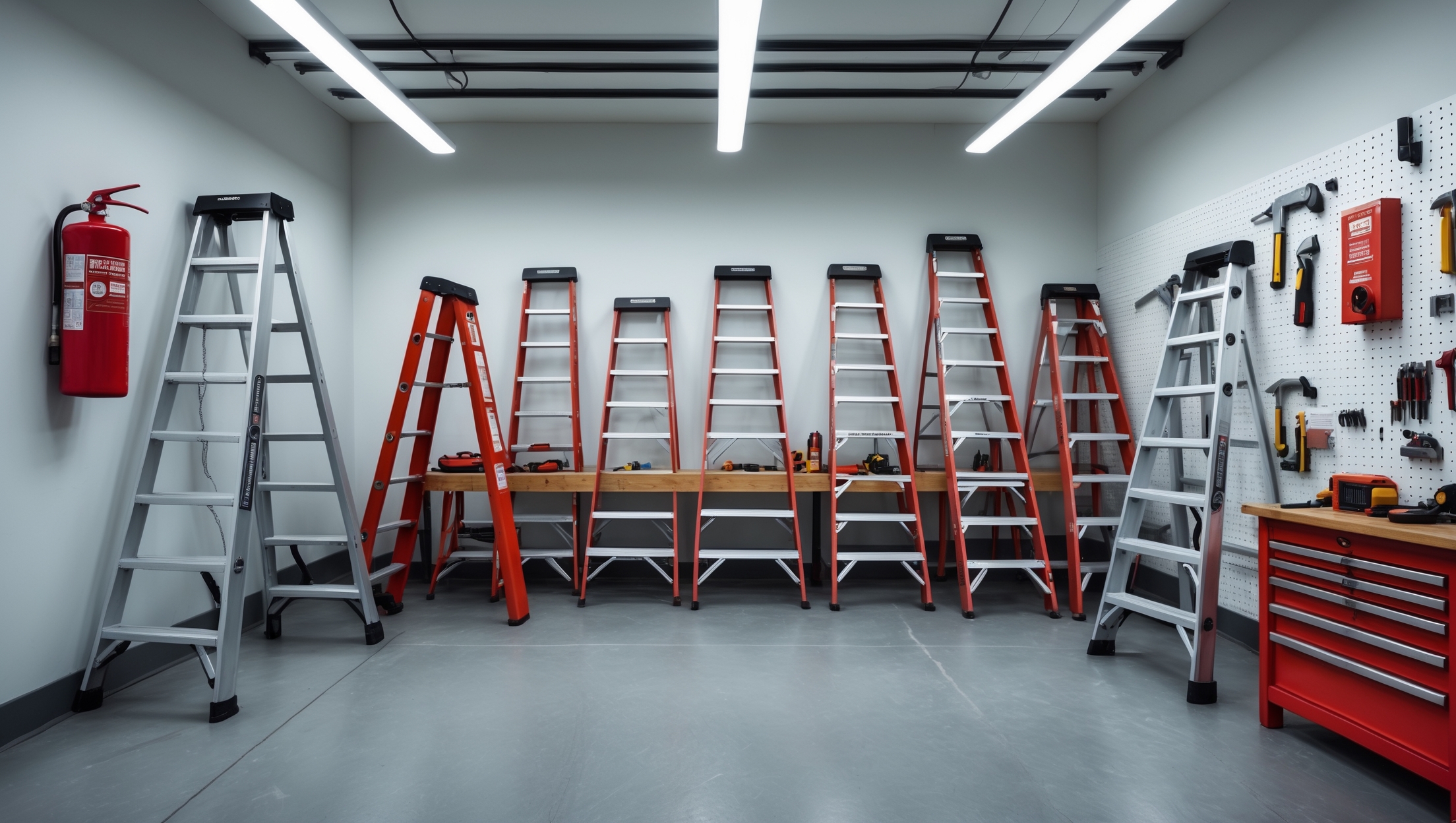
Introduction: Why Ladder Safety Matters in Home Improvement
Ladders are among the most frequently used tools in home improvement, from changing light fixtures to painting high walls or cleaning gutters. Yet, they’re also responsible for a significant portion of home-related injuries. Every year, thousands of homeowners find themselves in emergency rooms due to ladder mishaps—many of which are avoidable with proper precautions. Whether you’re a seasoned DIYer or just starting out, understanding ladder safety is essential not only for your protection but also for the smooth, successful completion of your projects. In this guide, we’ll walk you through a detailed ladder safety checklist, discuss how to choose the right ladder, inspect it before use, use it properly, and store it safely. By the end of this post, you’ll be equipped with practical tips and actionable steps to minimize risk and build confidence for your next home improvement project.
Choosing the Right Ladder for the Job
Types of Ladders and Their Uses
- Step Ladder: Ideal for indoor tasks such as painting or changing light bulbs. Self-supporting and stable for moderate heights.
- Extension Ladder: Best for reaching higher exterior points like gutters or rooflines. Must be supported against a stable surface.
- Multi-Position Ladder: Offers versatility by being adjustable for various heights and configurations.
- Platform Ladder: Features a larger standing platform for longer periods of work at a fixed height.
Key Selection Criteria
- Height: The ladder should be tall enough to reach your work area without standing on the top rung.
- Material: Choose between aluminum (lightweight but conductive), fiberglass (heavier but non-conductive—safer for electrical work), or wood (less common, heavy, can rot).
- Weight Capacity: Check the duty rating (Type I, IA, IAA, II, III) to ensure it supports your weight plus tools and materials.
- Location: For outdoor use, ensure the ladder has slip-resistant feet and is weather-resistant.
Pre-Use Inspection: Your First Line of Defense
Visual Inspection Checklist
- Look for cracks, dents, bends, or splits in rails and rungs.
- Ensure hardware and fittings are tight and not missing.
- Inspect for corrosion, rust, or rot, particularly on older ladders.
- Check for oil, grease, or other slippery substances.
- Verify that spreaders and locking devices work smoothly and lock securely.
- Confirm anti-slip feet are intact and not worn down.
Functional Test
- Open the ladder fully and ensure it stands firm and level.
- Test the locking mechanisms by applying gentle pressure.
- Wobble the ladder slightly to check for excessive movement.
Tip: If any defect is found, do not use the ladder. Mark it as unsafe and repair or replace as needed.
Setting Up: Placement and Environmental Checks
Ground Conditions
- Place the ladder on a firm, level surface. Avoid soft ground, gravel, or uneven terrain.
- Use ladder levelers or stabilizers if working on slopes or uneven surfaces.
Angle and Positioning
- For extension ladders, follow the 4-to-1 rule: for every four feet of height, position the base one foot away from the wall.
- Ensure step ladders are fully open with spreaders locked.
- Never lean a step ladder against a wall unless designed for that use.
Overhead Hazards
- Check for power lines, tree branches, or overhangs.
- Maintain at least 10 feet clearance from live electrical wires.
Traffic and Work Area
- Keep the area around the base of the ladder clear of tools, cords, and clutter.
- Warn family members or housemates to avoid the area during use.
- For outdoor work, avoid windy or stormy conditions.
Safe Climbing and Usage Practices
Before You Climb
- Wear slip-resistant shoes with clean soles.
- Secure loose clothing, tie back long hair, and remove dangling jewelry.
- Gather necessary tools and materials; use a tool belt or hoist whenever possible.
During Use
- Always face the ladder when ascending or descending.
- Maintain three points of contact (two hands and one foot, or two feet and one hand) at all times.
- Keep your body centered between the side rails; never overreach or lean out.
- Move the ladder instead of stretching beyond its side rails.
- Never stand on the top step or rung unless it is designed for standing.
- Do not carry heavy or awkward items up the ladder; use a rope or bucket and pulley system.
- Limit ladder occupancy to one person unless rated for more.
Electrical Safety
- Use fiberglass ladders when working near electricity.
- Never use aluminum ladders for electrical repairs or installations.
Special Considerations for Extension Ladders
- Extend at least three feet above the landing or roof edge for stability.
- Secure the top of the ladder to prevent shifting.
- Do not use ladders in high winds or storms.
Maintenance Best Practices
Cleaning
- Wipe ladders clean after every use to remove dirt, paint, or debris.
- Remove any substances that could reduce traction.
Storage
- Store ladders in a dry, cool place to prevent rust, rot, or warping.
- Hang ladders horizontally on wall brackets or store vertically against a wall, secured to prevent tipping.
- Avoid storing heavy items on top of ladders.
Regular Inspection Schedule
- Inspect ladders before every use, and conduct a thorough inspection quarterly.
- Record inspection dates and findings, especially for frequently used ladders.
Repair and Replacement
- Replace missing or damaged feet, rungs, or locking mechanisms immediately.
- Never attempt to weld, bolt, or wire broken parts as a permanent fix.
- Retire ladders that cannot be safely repaired.
Common Ladder Safety Myths Debunked
- Myth: “It’s safe to stand on the top step for just a second.”
Fact: Most accidents occur from overreaching or standing on top steps; avoid at all costs. - Myth: “Any ladder will do for any job.”
Fact: Each ladder is designed for specific uses and weights. Using the wrong ladder increases risk. - Myth: “If a ladder looks okay, it’s safe to use.”
Fact: Hidden damage or wear can compromise safety. Always inspect before use. - Myth: “It’s fine to use a ladder in bad weather if I’m careful.”
Fact: Wet or windy conditions make ladders slippery and unstable, dramatically increasing accident risk.
Emergency Preparedness: What If Something Goes Wrong?
- Have a phone within reach in case of emergency.
- Work with a spotter or let someone know you’re working on a ladder, especially for exterior or high-height projects.
- Know basic first aid for falls, including immobilizing injuries and calling emergency services.
- Keep a first aid kit accessible on your work site.
Printable Ladder Safety Checklist
- Choose the correct ladder for the task, height, and weight requirements.
- Inspect ladder for physical and mechanical defects before each use.
- Ensure the ladder is clean and dry.
- Set up on a firm, level surface away from hazards.
- Lock all hinges, spreaders, and braces securely.
- Wear proper footwear and clothing.
- Maintain three-point contact when climbing.
- Do not overreach or lean outside the side rails.
- Never use ladders in poor weather conditions or near electrical hazards unless using a fiberglass ladder.
- Store ladders safely after use and schedule regular maintenance checks.
Conclusion: Making Ladder Safety a Habit
Ladder safety is not just a checklist—it’s a mindset that every home improver should cultivate. By choosing the right ladder, inspecting it carefully, setting it up properly, and using it with caution, you dramatically reduce the risk of injury and ensure your projects are completed successfully. Remember, most ladder accidents happen not because of faulty equipment but due to preventable human error. Commit to regular maintenance and ongoing education. Share your knowledge with family and friends to make ladder safety a standard practice in your home. The extra minute you spend double-checking your setup could make the difference between a job well done and a trip to the hospital.
As you continue to tackle home improvement tasks, let this checklist guide your process. Stay informed about new ladder designs and safety features. Invest in quality equipment and treat your ladders as essential safety tools, not just convenient step-ups. If you’re ever unsure about a particular use or setup, consult the manufacturer’s instructions or seek advice from professionals. Ladder incidents are almost always preventable—let’s make ladder safety second nature and keep your DIY journey both productive and injury-free.