

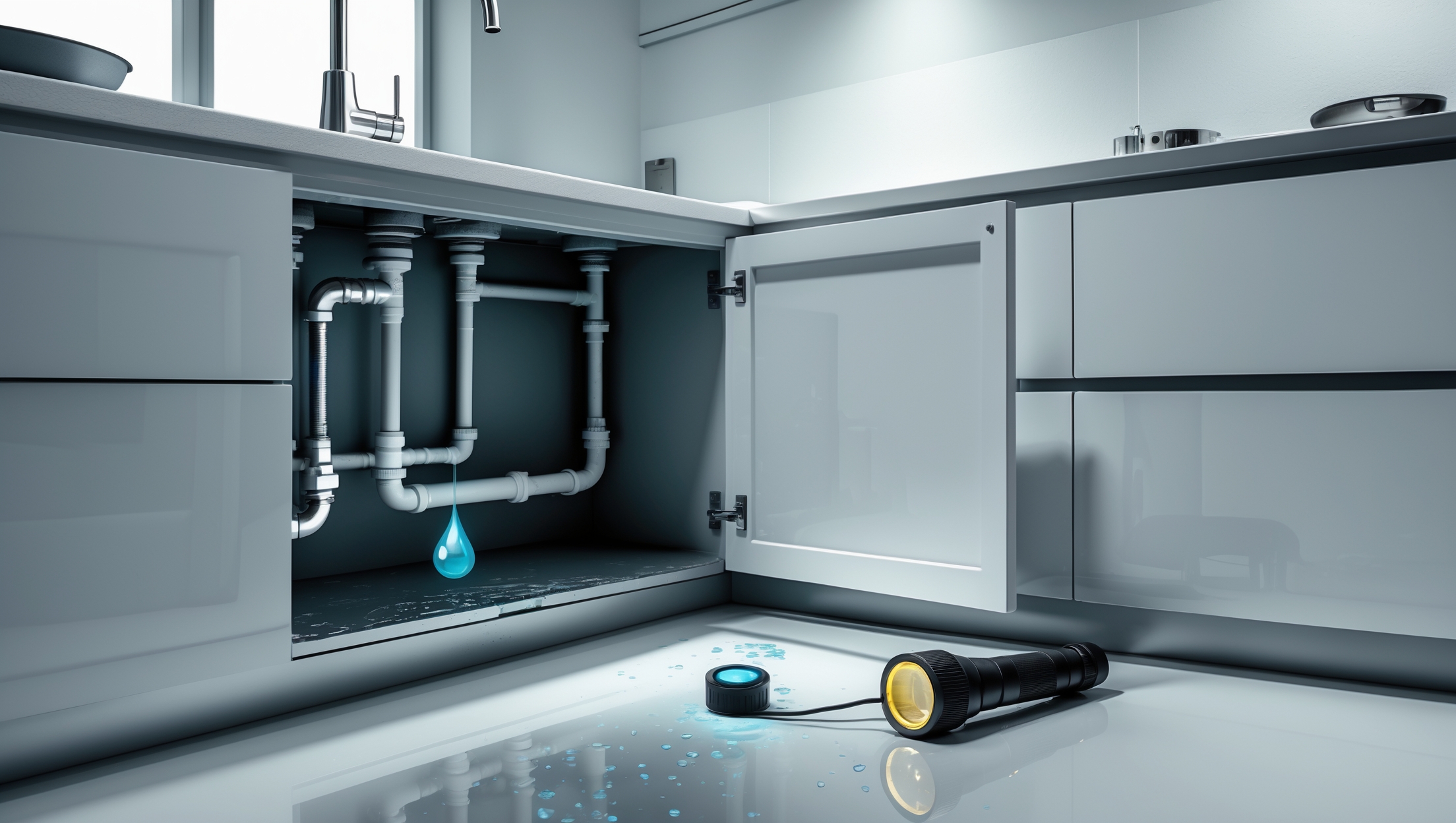
Introduction: Why Hidden Home Leaks Matter More Than You Think
It’s easy to overlook a slow, hidden leak in your home—until it’s too late. While dramatic plumbing failures grab attention, the true threat often comes from the slow, silent leaks lurking behind walls, under sinks, or beneath floors. These hidden leaks can lead to significant water damage, mold growth, wasted resources, and even structural problems if ignored. Most homeowners are surprised to learn that nearly 10% of US homes have leaks wasting 90 gallons or more per day. Whether you’re a seasoned DIYer or just starting your home maintenance journey, understanding how to detect, address, and prevent hidden leaks can save you thousands of dollars and spare you major headaches down the line. This comprehensive guide walks you through practical detection methods, step-by-step repair strategies, and proactive maintenance to keep your home leak-free and secure.
Understanding Hidden Leaks: Where and Why They Happen
Common Areas Prone to Hidden Leaks
- Beneath sinks: Supply lines, drain pipes, and garbage disposals are frequent culprits.
- Behind walls: Pipes running to bathrooms, kitchens, and laundry rooms can develop pinhole leaks.
- Under appliances: Dishwashers, refrigerators with ice makers, and washing machines have hidden connections.
- Basements and crawlspaces: Foundation cracks or old pipes can leak undetected for months.
- Attics: Roof leaks may drip down interior walls and ceilings.
Causes of Hidden Leaks
- Aging plumbing: Older pipes (especially galvanized steel, polybutylene, or copper) are more susceptible to corrosion and cracks.
- Poor installation: Loose fittings or improperly sealed joints can result in slow drips.
- Water pressure issues: Excessive pressure stresses pipes, causing them to burst or develop leaks over time.
- Foundation shifting: Settling or movement can stress or crack pipes.
How to Detect Hidden Leaks: DIY Methods and Tools
Early Warning Signs
- Unexplained spikes in water bills
- Musty odors or persistent dampness in specific areas
- Warped, stained, or bubbling paint/wallpaper
- Visible mold growth on walls or ceilings
- Peeling laminate or warped flooring
Step-by-Step Leak Detection
1. Monitor Your Water Meter
- Turn off all water-using appliances and fixtures.
- Locate your water meter (usually outside or in the basement).
- Record the reading. Wait two hours with no water usage, then check again.
- If the reading changes, you likely have a hidden leak.
2. Inspect Common Leak Zones
- Use a flashlight to check under sinks, behind toilets, and around appliances for moisture or corrosion.
- Check ceilings below bathrooms for stains or sagging.
- Look for puddles, drips, or mineral deposits on pipes.
3. Use Moisture Detection Tools
- Moisture meters: Affordable handheld devices measure dampness in walls, floors, and ceilings.
- Thermal imaging cameras: Reveal cold spots that may indicate moisture behind surfaces.
- Acoustic sensors: Detect the sound of water movement inside walls (higher-end but effective).
Testing Appliances and Fixtures
- Place dry paper towels under suspect appliances overnight; check for dampness.
- Add food coloring to toilet tanks. If color appears in the bowl after 30 minutes, your flapper valve is leaking.
- Check hose connections (washing machines, dishwashers) for drips or rust.
DIY Solutions: Fixing the Most Common Hidden Leaks
Under-Sink Leaks
- Tighten Connections: Use channel-lock pliers to snug up loose slip nuts or supply hoses.
- Replace Worn Washers or Seals: Shut off water, disassemble fittings, and swap out old rubber washers.
- Reseat or Replace P-traps: Remove the P-trap, clean out debris, and reseal with plumber’s tape or replace as needed.
Pipe Leaks Behind Walls
- Pinpoint the leak: Use a moisture meter or cut a small inspection hole to locate the exact spot.
- Temporary fix: Apply pipe repair tape or a pipe clamp as a stopgap until full repair is possible.
- Permanent fix (for accessible pipes): Shut off water, cut out damaged section, and replace with new pipe/fittings using push-fit connectors (like SharkBite) for copper or PEX pipes.
Leaky Appliance Connections
- Replace Supply Hoses: Upgrade to braided stainless steel hoses to reduce future risk.
- Tighten or reseal connectors: Use Teflon tape on threaded fittings, and ensure clamps are snug.
Ceiling or Wall Leaks from Above
- Identify the source by checking rooms above for plumbing fixtures or roof issues.
- Once the leak is fixed, allow the area to dry completely before patching drywall.
- Use stain-blocking primer before repainting to prevent discoloration from returning.
Foundation and Crawlspace Leaks
- Redirect water away from the home: Ensure gutters and downspouts channel water at least 5 feet from the foundation.
- Seal cracks: Use hydraulic cement or specialized epoxy sealants for minor cracks.
- For recurring issues, consider professional drainage solutions or sump pump installation.
When to Call a Professional
- Persistent leaks that return after basic repairs
- Major water damage or visible mold growth
- Leaks within walls or ceilings that require extensive demolition
- Plumbing involving gas lines or main water supply
In these cases, a licensed plumber or water damage specialist has the expertise and tools to address both the leak and potential hidden damage safely and effectively.
Preventive Maintenance: Keeping Your Home Leak-Free
Routine Inspection Checklist
- Check under every sink and around toilets monthly for signs of moisture.
- Inspect appliance hoses and connections every 6 months.
- Monitor water pressure (should be 40–60 psi); high pressure increases leak risk.
- Test your sump pump before each rainy season.
- Clean gutters and downspouts at least twice a year.
- Address roof maintenance to prevent attic and ceiling leaks.
Upgrade Materials for Leak Prevention
- Replace old rubber hoses with braided stainless steel versions.
- Upgrade to PEX or copper pipes in older homes with failing supply lines.
- Install water leak sensors with smart alerts in leak-prone zones.
Smart Home Technology for Leak Detection
- Wi-Fi enabled leak detectors: Place under sinks, behind appliances, and in basements. They send instant alerts to your phone if moisture is detected.
- Automatic shutoff valves: These devices cut off the water supply if a leak is detected, minimizing potential damage.
Dealing with Water Damage: Steps to Take If You Discover a Leak
Immediate Actions
- Shut off the closest water supply valve; if uncertain, turn off the main house valve.
- Remove excess water with towels, a wet/dry vacuum, or a mop.
- Ventilate the area to accelerate drying (open windows, use fans or a dehumidifier).
Assessing and Repairing Damage
- Inspect for soft spots, warping, or discoloration in walls, floors, and ceilings.
- Remove and replace saturated drywall or insulation to prevent mold growth.
- Clean affected areas with a mold-killing solution if needed.
Document the damage with photos for insurance purposes, and contact your provider if repairs will exceed your deductible.
Cost Breakdown: Typical Expenses for Leak Detection and Repair
- DIY leak detection tools: $20–$100 (moisture meter, basic thermal camera, or leak sensor)
- Minor repairs (tightening fittings, replacing hoses): Under $50
- Replacing a section of pipe: $10–$50 in parts, $100–$400 if hiring a plumber
- Water damage restoration: $500–$3,000+ depending on extent and affected materials
- Smart leak detectors: $40–$150 per unit, $400–$1,200 for a whole-home system with automatic shutoff
Proactive maintenance and early detection are almost always less expensive than waiting until a small leak becomes a major problem.
Conclusion: Peace of Mind Through Proactive Leak Management
Hidden home leaks are among the most insidious—and expensive—problems facing homeowners, but with the right knowledge and tools, you can stay ahead of potential disasters. Regular inspections, smart use of affordable detection devices, and prompt DIY repairs will help safeguard your property from water damage, mold, and unnecessary costs. Don’t wait for a visible sign of trouble before taking action. By implementing the routines and upgrades outlined in this guide, you’ll not only maintain a healthier, safer living environment but also protect your investment for the long term. Remember: prevention is always more affordable than restoration. Equip yourself with moisture meters and leak sensors, inspect regularly, and don’t hesitate to call a professional for complex leaks or major repairs. With vigilance and a proactive mindset, you can enjoy lasting peace of mind—and a dry, comfortable home—for years to come.
If a hidden leak is found under the sink or behind an appliance, how quickly should it be repaired before it leads to bigger issues like mold or structural damage? Are there damage warning signs to watch for while waiting on repairs?
A hidden leak under the sink or behind an appliance should be repaired as soon as possible—ideally within a day or two. Moisture can cause mold growth or damage wood and drywall quickly. While waiting for repairs, watch for warning signs like musty smells, discoloration or staining on walls or flooring, swelling or soft spots in cabinets or baseboards, and any dripping or pooling water.
I’m on a pretty tight budget and want to proactively prevent leaks, especially under sinks and in the basement. Are there affordable materials or products you recommend for reinforcing vulnerable pipe connections before problems start?
Absolutely, there are several budget-friendly options for reinforcing pipe connections. You can use plumber’s tape (Teflon tape) on threaded joints to create a better seal and prevent leaks. Pipe joint compound (pipe dope) is also inexpensive and effective. For under-sink connections, consider investing in rubber gaskets or slip joint washers, which are cheap but help ensure tight seals. In basements, pipe insulation can help prevent condensation and related leaks. All of these are easy to find at hardware stores and don’t require special tools.
I noticed you mentioned issues with older pipes like galvanized steel and polybutylene being more prone to leaks. If I have an older home but I’m not sure what kind of pipes I have, what’s the best way for a DIYer to figure that out without calling a plumber?
You can check your pipes by looking at any exposed sections, such as in the basement, under sinks, or near the water heater. Galvanized steel pipes are usually grayish-silver and may have threaded joints, while polybutylene pipes are typically blue, gray, or black with a plastic look. If you’re unsure, gently scratch the pipe: steel won’t scratch easily, but plastic pipes will. Taking photos and comparing them to online guides can also help you identify pipe materials yourself.
The article mentions that almost 10% of US homes have leaks wasting 90 gallons or more per day. How can I tell the difference between normal water use and a hidden leak if my bill just seems a little high, not dramatic?
A slightly higher water bill can be tricky to interpret, but you can check for hidden leaks by turning off all water-using appliances and fixtures, then monitoring your water meter for an hour or two. If the meter still moves, you likely have a leak. Also, look for damp spots, mold, or the sound of running water when everything is off. These signs can help you differentiate normal use from a hidden leak.
You mention that basements and crawlspaces are common spots for hidden leaks. If someone notices a musty smell but can’t see any water, what is the best way to pinpoint the exact location of a leak in these areas without ripping up drywall or flooring?
A musty smell often means there’s hidden moisture. In basements and crawlspaces, start by inspecting pipes, joints, and walls for damp spots or discoloration. Use a moisture meter to scan surfaces, as it can detect hidden moisture behind walls or under floors without needing demolition. You can also run your hand along suspicious areas to feel for coolness or dampness, and monitor humidity levels—a spike can indicate a leak nearby.
If a hidden leak is detected behind a wall, what are the next steps in terms of repair? Should I try a DIY patch after identifying the source, or is it usually safer to hire a plumber right away to avoid potential structural or mold issues?
If you’ve found a hidden leak behind a wall, it’s often best to hire a professional plumber, especially if the leak is significant or if there are signs of water damage or mold. DIY patches can be risky without proper tools and expertise, and hidden leaks can quickly cause structural or mold problems. A plumber can correctly identify the source, make reliable repairs, and advise on any necessary cleanup to prevent long-term issues.
For families who travel frequently, are there preventive steps or products to help catch or stop hidden leaks while the house is empty for weeks at a time?
For families often away from home, installing a smart leak detection system is a great choice. These sensors monitor areas prone to leaks and can send real-time alerts to your phone. Some systems even shut off the water supply automatically if they detect a major leak. Before leaving, ensure all taps are turned off, and consider turning off the main water valve if possible for extra peace of mind.
If I suspect a slow leak behind a bathroom wall but can’t find any visible water damage yet, what’s the best first step to confirm there’s actually a leak before calling a plumber?
A good first step is to check your water meter for unusual activity. Make sure all faucets and water-using appliances are off, then watch the meter for 15–30 minutes. If it moves, you likely have a leak. You can also listen for hissing or dripping behind the wall or look for areas that feel damp or unusually warm. This can help confirm a hidden leak before bringing in a plumber.
If I suspect a slow leak beneath my dishwasher but can’t see any visible water damage, what are the first troubleshooting steps I should take before calling a professional?
If you suspect a slow leak under your dishwasher but don’t see any obvious signs, start by checking for dampness or musty smells near the base. Run the dishwasher and look underneath with a flashlight for any drips. You can also place a paper towel or sheet of cardboard under the unit and check for wet spots after a cycle. If you find evidence of moisture, turn off the water supply and power to the dishwasher before inspecting hoses and connections.
If I find evidence of a slow leak beneath an appliance, like my shop’s washer, how do I know if it’s safe to attempt a DIY repair, or should I call in a professional right away?
If you’ve found a slow leak under your washer, check for obvious causes like a loose hose or a cracked drain line. If the leak is minor and you feel comfortable tightening connections or replacing hoses, a DIY fix can be safe. However, if water is pooling, damage is visible, or you suspect an electrical issue, it’s best to call a professional. Always shut off power and water before starting any repair.
You mentioned older pipes like galvanized steel and polybutylene being more prone to leaks. If my house is from the 1980s, should I be concerned about the materials used, and is there a way to check what type of pipes I have without hiring a plumber?
Houses built in the 1980s sometimes used galvanized steel or polybutylene pipes, both of which are more prone to leaks as they age. You can check your pipe type without a plumber by looking at exposed pipes near your water heater, under sinks, or in your basement. Galvanized steel pipes are usually gray and magnetic, while polybutylene pipes are often gray or blue plastic with a dull finish. If you’re unsure, take a clear photo of your pipes to compare with online reference images.
Once I fix a hidden leak, are there any regular maintenance tips or routine checks I should start doing so I can catch future leaks early without tearing anything apart?
After repairing a hidden leak, it’s smart to check under sinks, around appliances, and in basements or crawl spaces for moisture or signs of mold every month or two. Watch your water bill for unexplained increases, which may hint at a new leak. Inspect caulking around tubs and showers, and listen for dripping sounds in quiet rooms. These simple checks can help you spot issues early without needing to open up walls again.
What would be the first step to take if I do spot some early warning signs like unexplained water usage or dampness behind an appliance? Is it best to try finding the leak myself or should I call in a professional right away?
If you notice early warning signs like unexplained water use or dampness, start by turning off nearby water sources and carefully inspecting the area for obvious leaks or water stains. If you feel comfortable, try to locate the source—sometimes it’s a loose connection or a faulty hose. If the leak is hidden, extensive, or near electrical outlets, it’s safer to call a professional to prevent further damage.
For someone on a tight budget, which preventive maintenance steps from your guide would you prioritize to minimize the risk of costly water damage down the road?
If you’re watching your budget, prioritize regular visual inspections around sinks, toilets, appliances, and exposed pipes for any signs of moisture or corrosion. Also, make sure to replace worn-out washing machine hoses and keep gutters clear of debris. These simple steps cost little or nothing but can catch small issues before they turn into expensive repairs.
You mentioned that old pipes like galvanized steel and copper are more likely to leak, but how can I tell what type of pipes I have in my home without opening up the walls? Is there an easy way for a homeowner to figure that out?
You can often identify your pipe type by checking exposed areas, like under sinks, in basements, or near your water heater. Galvanized steel pipes are typically gray, have threaded joints, and may show rust. Copper pipes are reddish-brown and use soldered joints. Plastic pipes will be white, black, or blue. If you’re unsure, try gently scratching the pipe with a coin—copper will show a shiny copper color, while galvanized steel remains grayish.
Regarding foundation shifting causing pipe leaks, how can I distinguish water damage from normal settling marks or cracks in my basement? Are there warning signs unique to plumbing issues as opposed to structural movement?
Water damage from pipe leaks often shows up as damp spots, discoloration, musty odors, or efflorescence (white, chalky residue) around cracks or on basement walls. In contrast, normal settling cracks are usually dry and consistent in width. If you notice pooling water, mold growth, or hear dripping sounds, these are strong indicators of plumbing issues. Staining that grows over time or reappears after cleaning is another sign to watch for.
I noticed you mention that older pipes, like galvanized steel or polybutylene, are more prone to leaks. If I don’t know what type of pipes I have in my house, is there an easy way to identify them without opening up the walls?
You can usually identify your pipe type by checking exposed areas like under sinks, in your basement, or near your water heater. Galvanized steel pipes tend to look metallic gray and may show signs of rust. Polybutylene pipes are usually gray, blue, or black plastic with a slightly flexible feel. If you’re unsure, taking a clear photo and showing it to a local plumber or hardware store employee can help confirm what you have.
If I suspect a leak behind a wall, what are some safe DIY ways to confirm it before cutting into drywall? Are there any affordable tools recommended for this, or is it best to call a professional right away?
If you think there might be a leak behind a wall, you can start by checking for signs like damp spots, bubbling paint, or a musty smell. An affordable moisture meter can help detect hidden moisture without damaging the wall. Infrared thermometers can also highlight temperature changes from leaks. If you find strong evidence or can’t pinpoint the leak, contacting a professional is the safest next step.
When checking behind walls for pinhole leaks, what methods or tools have you found most accurate for detection without tearing open drywall? Any DIY options you would recommend over others?
To detect pinhole leaks behind walls without removing drywall, an inexpensive moisture meter is very helpful—it can pinpoint damp spots that may indicate a leak. An infrared thermal camera is even more accurate, revealing temperature differences caused by moisture inside walls. For DIY, start with a moisture meter since it’s affordable and easy to use, but if you suspect a serious leak, borrowing or renting a thermal camera is worth considering.
If I do find a small leak under my sink or behind the wall, how do I know if it’s something safe to fix on my own versus when I should call a professional? Are there signs that the damage is already serious?
You can usually fix a small leak under the sink yourself if it’s coming from a visible pipe joint, P-trap, or loose connection and there’s little to no water damage. However, if you see mold, sagging cabinets, soft or discolored walls, or suspect the leak is coming from inside the wall, it could indicate hidden or serious damage. In those cases, or if you can’t quickly stop the leak, it’s best to call a professional to avoid bigger issues.
Regarding water pressure issues causing hidden leaks, how can I check if my home’s pressure is too high, and what steps should I take if it is? Is installing a pressure reducing valve a DIY friendly job?
To check your home’s water pressure, you can use an inexpensive pressure gauge that attaches to an outdoor faucet or laundry tub. Ideal pressure is typically between 40–60 psi. If yours is higher, it can stress pipes and cause leaks. Installing a pressure reducing valve is possible for confident DIYers with plumbing experience, but often requires cutting and joining pipes. If you’re unsure, it’s wiser to hire a plumber for proper installation and adjustment.
If a hidden leak is found behind drywall, how complicated and costly is it for a homeowner to fix this on their own versus hiring a pro? Any tips for keeping costs down?
Fixing a hidden leak behind drywall can be fairly involved. You’ll need to cut out the affected drywall, repair the plumbing, let everything dry, and then patch and repaint. DIY repairs can save on labor costs but require plumbing and drywall skills. If the leak is extensive or involves mold, hiring a pro is safer. To keep costs down, you could do the drywall repair yourself after a plumber fixes the leak. Always ensure the area is completely dry before closing it up.
Could you provide more detail on DIY detection tools you recommend for finding leaks behind walls in a commercial property? Are there affordable devices suitable for someone without plumbing experience?
For detecting leaks behind walls in a commercial property, you might consider using an inexpensive moisture meter, which can sense dampness through drywall and is quite user-friendly. Infrared thermal cameras are another option; basic models have become more affordable and can highlight temperature differences caused by hidden moisture. Both tools require no plumbing experience—just follow the manufacturer’s instructions for scanning suspect areas to help pinpoint leaks before any major damage occurs.
You mention that nearly 10% of US homes have substantial leaks—how much of that is usually due to old plumbing versus things like high water pressure or shifting foundations?
While the article cites that nearly 10% of US homes have substantial leaks, the breakdown varies. Old plumbing is a major factor, often accounting for a large portion because pipes can corrode or joints may fail over time. High water pressure and shifting foundations also contribute, but typically to a lesser extent. Often, it’s a combination—old pipes are more vulnerable to damage from pressure fluctuations and foundation movement, increasing the risk of leaks.
Does preventive maintenance for hidden leaks need to be done every year, or is there a recommended schedule for checking areas like attics and crawlspaces? I’m trying to plan out a realistic DIY routine.
For most homes, checking for hidden leaks in areas like attics and crawlspaces once a year is a good routine, especially before or after seasons with heavy rain. However, if your home is older or you’ve had leak issues before, checking twice a year is even better. Add visual inspections of plumbing and moisture-prone areas to your DIY routine to catch any early signs of trouble.
I’m concerned about older copper pipes developing leaks behind walls. Do you recommend any non-invasive DIY tools that can help me pinpoint the exact spot of a hidden leak before I start tearing into drywall?
You might want to try a moisture meter, which can detect dampness through drywall and help you narrow down the area of a hidden leak. Another option is an infrared thermal camera, which can show temperature differences caused by moisture behind walls. Both are non-invasive and widely available for rent or purchase, making them useful DIY tools before opening up any walls.