

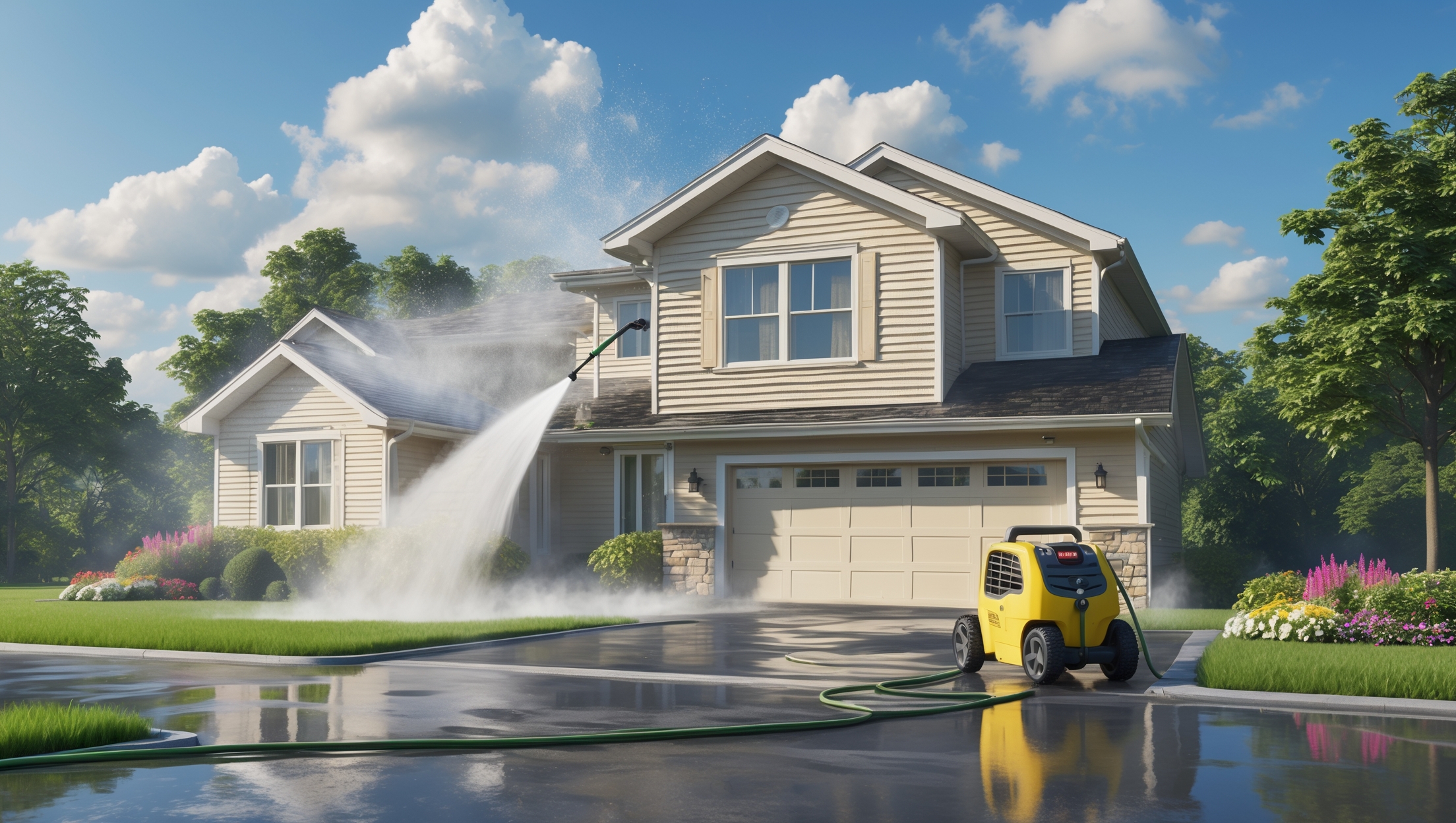
Maintaining your home’s exterior is not just about curb appeal—it’s also crucial for protecting your investment from dirt, mold, mildew, and weathering. Power washing is one of the most effective ways to restore and preserve the look and longevity of your siding, driveway, deck, and other outdoor surfaces. While it may seem straightforward, improper technique or equipment can lead to costly damage or even personal injury. This comprehensive guide dives into the practical details you need to know before taking on a power washing project, from selecting the right machine to executing each step safely and efficiently. Whether you’re tackling vinyl siding, concrete walkways, or wooden decks, you’ll find actionable advice to help you avoid common pitfalls and achieve professional-grade results.
Understanding Power Washing vs. Pressure Washing
Before diving in, it’s important to clarify the distinction between power washing and pressure washing. While the terms are often used interchangeably, there are subtle differences:
- Power Washing: Utilizes heated water for cleaning, which is particularly effective at breaking down stubborn grime, mold, and grease.
- Pressure Washing: Relies solely on high-pressure cold water.
For most home exterior cleaning tasks, either method can be effective. However, heated water can be advantageous for severe buildup or oil stains.
Evaluating Surfaces: What Can (and Can’t) Be Power Washed
Safe Surfaces for Power Washing
- Vinyl, aluminum, and some fiber cement siding
- Concrete driveways, sidewalks, and patios
- Brick and stone masonry
- Wooden decks and fences (with proper technique and pressure)
- Garage doors
Surfaces to Avoid or Treat with Caution
- Old or cracked paint (can peel)
- Asphalt shingles (risk of dislodging or damaging roof)
- Delicate wood or composite materials (risk of gouging)
- Windows and doors (prone to leaks and damage)
- Outdoor electrical fixtures
Always check manufacturer recommendations for specific materials before proceeding.
Essential Equipment and Tools Guide
Choosing the Right Power Washer
- Electric Power Washers: Best for light to medium cleaning (siding, decks, vehicles). Pressure ranges typically from 1,300 to 2,000 PSI.
- Gas-Powered Power Washers: Suitable for heavy-duty jobs (concrete, brick). Pressure ranges from 2,500 to 4,000+ PSI.
Consider rental if you need a high-powered unit for a one-time project.
Nozzle Selection
Nozzles control the spray angle and pressure:
- 0° (Red): Pinpoint, highest pressure—rarely used for home exteriors due to risk of damage.
- 15° (Yellow): Tough stains on concrete or brick.
- 25° (Green): General cleaning for siding and decks.
- 40° (White): Gentle cleaning, windows, or delicate surfaces.
- Soap (Black): Low pressure, applies detergent.
Additional Equipment
- Extension wands for high areas
- Surface cleaner attachments for driveways and patios
- Protective gear: goggles, gloves, sturdy shoes, ear protection
- Garden hose with adequate water supply
Step-by-Step Power Washing Process
1. Preparation
- Inspect surfaces for damage, loose materials, or cracks and repair as needed.
- Cover or move outdoor furniture, grills, and plants.
- Seal electrical outlets, light fixtures, and vents with plastic and painter’s tape.
- Close windows and doors tightly.
2. Applying Detergent
Use a detergent designed for your specific surface:
- Fill the detergent tank or use a siphon tube as instructed by your machine’s manual.
- Apply detergent from the bottom up to prevent streaks.
- Let the solution sit for 5–10 minutes (do not let it dry).
3. Power Washing Technique
- Attach the appropriate nozzle (usually 25° or 40° for siding).
- Hold the wand at a 45° angle, 12–18 inches from the surface.
- Work in sections, spraying from top down to prevent dirt from dripping onto cleaned areas.
- Keep the wand moving to avoid gouging or striping.
4. Rinsing
- Switch to a clean water nozzle (typically 40°).
- Rinse from top to bottom, overlapping each stroke.
- Pay attention to corners, seams, and crevices where detergent residue can linger.
Safety Checklist: Avoiding Injury and Damage
- Wear protective goggles and sturdy shoes at all times.
- Never point the spray at yourself, others, or pets.
- Use two hands to maintain control of the wand, especially with high-powered units.
- Be cautious around ladders—water pressure can cause loss of balance. Use extension wands or hire a professional for two-story homes.
- Do not use a power washer while standing on a ladder.
- Keep electrical connections dry and away from water spray.
- Test a small, inconspicuous area before cleaning the entire surface.
Budgeting: Cost Breakdown for DIY and Pro Services
DIY Power Washing Costs
- Electric power washer purchase: $100–$300
- Gas power washer purchase: $250–$500
- Rental (4–8 hours): $40–$90
- Detergents and protective gear: $20–$50
- Optional attachments: $25–$100
Total estimated DIY cost: $60–$500, depending on equipment needs and whether you buy or rent.
Professional Power Washing Services
- Average cost for home exterior: $250–$600
- Driveways/patios: $100–$250
- Deck/fence cleaning: $150–$350
Pros may be necessary for multi-story homes, delicate surfaces, or large-scale projects.
Maintenance Best Practices After Power Washing
- Inspect cleaned surfaces for any missed spots or damage requiring touch-up.
- Allow surfaces to dry thoroughly before painting, staining, or sealing.
- Store equipment properly—drain water, clean filters, and store hoses and nozzles indoors.
- Plan to power wash siding and concrete once a year; decks and fences may require more frequent attention in humid climates.
- Monitor for signs of mildew or algae and spot treat as needed between washes.
Common Mistakes to Avoid
- Using excessive pressure on delicate surfaces, causing etching or gouging.
- Neglecting safety gear, leading to eye or skin injuries.
- Skipping the detergent step, resulting in subpar cleaning.
- Failing to rinse thoroughly, leaving soap residue that attracts dirt.
- Overlooking preparation—unprotected outlets or plants can be damaged.
- Operating a power washer without reading the manual or understanding local regulations (some communities restrict chemical runoff).
Environmental and Compliance Considerations
- Check local regulations regarding water runoff and chemical cleaners.
- Use biodegradable, environmentally friendly detergents whenever possible.
- Avoid washing near storm drains to prevent pollution.
- Dispose of wastewater responsibly, especially if using chemical cleaners.
When to Call a Professional
- Multi-story homes or hard-to-reach areas
- Delicate surfaces requiring specialized cleaning
- Severe mold, algae, or oil stains
- Lack of proper equipment or experience
Professionals are equipped with commercial-grade tools and knowledge to handle challenging situations safely and efficiently.
Conclusion
Power washing can dramatically enhance your home’s appearance and help preserve the integrity of outdoor surfaces. However, achieving a spotless, damage-free result requires more than just blasting away dirt with a high-powered spray. By carefully assessing your surfaces, choosing the right equipment, following a proven process, and adhering to essential safety and environmental guidelines, you can avoid costly mistakes and maximize your project’s value. Remember to budget realistically, invest in protective gear, and always test your technique in a small area before scaling up. If in doubt, especially for challenging jobs or multi-story properties, don’t hesitate to consult a professional. With the right preparation and know-how, power washing can be a satisfying, cost-effective way to refresh your home’s exterior and protect your investment for years to come.
When it comes to safety, you mention avoiding windows and outdoor electrical fixtures. What’s the best way to safely clean around those areas if they’re surrounded by grime but can’t be power washed directly?
To safely clean around windows and outdoor electrical fixtures, use a soft brush or sponge with mild soap and water. Gently scrub the grime away by hand rather than with the pressure washer. For electrical fixtures, ensure the power is turned off and avoid letting any water seep inside. Rinse carefully with a damp cloth instead of spraying, and always let the area dry thoroughly.
Are there cost-effective power washing machines that are safe for use on both concrete driveways and more delicate siding, or do I need to rent different equipment for each surface?
You can find cost-effective power washers designed with adjustable pressure settings, making them suitable for both concrete driveways and more delicate siding. Look for models that allow you to control the PSI (pounds per square inch) and include interchangeable nozzles. This way, you can use lower pressure for siding and higher for driveway cleaning, all with one machine—no need to rent separate equipment.
I noticed you mentioned power washing is safe for wooden decks if done correctly. Could you clarify what pressure setting or nozzle type is best for older wood to avoid any damage?
For older wooden decks, it’s best to use a pressure setting between 500 and 1,200 PSI to minimize the risk of damage. A fan tip nozzle, typically 25 or 40 degrees, will help spread the water out and reduce the intensity on the wood. Always start with the lowest pressure and test on a small, inconspicuous spot first to ensure the wood isn’t splintering or gouging.
You mentioned brick masonry is safe to wash, but are there certain types of brick or mortar that could be damaged by power washing, especially in older homes? I want to make sure I don’t harm the brick on my 1960s house.
Yes, some types of brick and older mortar can be more vulnerable to damage from power washing. Bricks made before the 1970s, like those on your 1960s house, may have softer, more porous mortar that can erode under high pressure. Always use a low-pressure setting and test a small area first. Avoid holding the nozzle too close and consider consulting a professional if the mortar looks worn or crumbly.
When renting a power washer for a DIY project, what specific features or specifications should I look for to make sure it’s effective on both a concrete driveway and a wooden fence, but still safe for a beginner to use?
When renting a power washer for both concrete and wood surfaces, look for an adjustable pressure washer with a PSI between 1500 and 3000. Make sure it includes interchangeable spray nozzles (like a 25-degree and a 40-degree tip) to control the spray intensity. Choose an electric model for easier handling if you’re new to power washing, and ensure it has a built-in detergent tank. Always check that the washer comes with clear safety instructions.
When it comes to cleaning a wooden deck, how do you determine the right pressure setting to avoid gouging the wood? I have an older deck and I’m worried about accidentally damaging the boards.
For an older wooden deck, it’s best to start with a lower pressure—between 500 and 600 PSI is usually safe. Always test on a small, inconspicuous area first to see how the wood reacts. Hold the nozzle about 12 to 18 inches away and move in smooth, even strokes. Avoid using narrow, high-pressure tips, as they can concentrate force and damage the wood.
Is there a way to power wash around windows and doors without risking leaks or damage, since the article says they’re especially vulnerable? Or should those areas just be cleaned by hand?
When cleaning around windows and doors, it’s safest to avoid using a high-pressure setting, as this can force water past seals and cause leaks or damage. Instead, use a low-pressure nozzle if you must power wash, and keep the spray at a downward angle. Hand cleaning with mild soap and a soft brush is often the best way to safely clean these vulnerable spots. Always check seals and caulking before cleaning to prevent water intrusion.
For someone new to power washing, what entry-level equipment would you suggest that balances effectiveness and safety without breaking the bank? Are there specific features or brands that are beginner-friendly but reliable for basic home exterior projects?
For beginners, an electric power washer with 1,500 to 2,000 PSI is a solid choice—it’s strong enough for most home exteriors but safer to handle than gas models. Look for models with adjustable nozzles or multiple spray tips for flexibility. Brands like Sun Joe, Greenworks, and Ryobi are known for reliable, budget-friendly options. Also, consider units with built-in detergent tanks and safety locks for added convenience and peace of mind.
I’m on a tight budget and considering renting a power washer instead of buying one—are there specific features I should look for in a rental to make sure it’s safe for both concrete and wood surfaces?
When renting a power washer for both concrete and wood, look for one with adjustable pressure settings—ideally between 1200 and 3000 PSI. Make sure it comes with multiple nozzles, especially a wide-angle (25 or 40 degree) tip for wood to avoid damage. Also, check that the rental model has a clear, easy-to-use trigger and safety lock. Always ask the rental staff for a quick demo or instructions before leaving.
Are there more budget-friendly equipment options for occasional home exterior power washing, or is it really worth investing in a higher-end machine for efficiency and safety? I’m on a student budget and want to avoid rental costs if possible.
For occasional home exterior power washing on a student budget, entry-level electric power washers can be a good choice. They’re more affordable and often sufficient for light to moderate cleaning jobs. While higher-end machines offer more power and durability, they aren’t always necessary for infrequent use. Just make sure to choose a model with decent safety features, like automatic shutoff and sturdy connections, to stay safe and get the job done effectively.
When power washing vinyl siding, do you recommend using a detergent along with heated water for tough mold stains, or is hot water alone sufficient? Also, are there specific detergents that are safer for landscaping around the house?
For tough mold stains on vinyl siding, using a detergent designed for siding is much more effective than relying on hot water alone. Hot water can help loosen grime, but a good detergent will break down mold and mildew more thoroughly. Look for biodegradable, plant-friendly detergents labeled as safe for landscaping to protect surrounding plants. Always rinse plants with water before and after power washing to minimize exposure.
Are there any budget-friendly power washing equipment options you’d recommend for a homeowner who only needs to do occasional exterior cleaning? It sounds like some machines might be overkill for lighter jobs.
For occasional light exterior cleaning, an electric power washer in the 1500–2000 PSI range should be sufficient and cost-effective. These models are generally more affordable, lighter, and easier to store than heavy-duty gas-powered units. You could also consider renting a power washer from a local hardware store if you only need it once or twice a year, which can save money and storage space.
I noticed you mentioned that power washing uses heated water while pressure washing is just high-pressure cold water. For a business with regular sidewalk grime and some oil stains, would it be worth investing in a power washer instead of a pressure washer?
For a business dealing with regular sidewalk grime and oil stains, a power washer is usually the better investment. The heated water from a power washer is much more effective at breaking down tough oil stains and removing stubborn grime compared to a regular pressure washer with cold water. This can save you time and provide better cleaning results, especially on surfaces that get a lot of foot traffic and spills.
The article lists several materials safe for power washing, but what about composite decking? Is it generally safe with certain precautions, or should I avoid it altogether to prevent damage?
Composite decking can usually be power washed, but it’s important to use extra care. Stick to a lower pressure setting—generally under 1,500 psi—and use a fan tip nozzle to avoid gouging the surface. Keep the nozzle at least 8 to 12 inches from the decking and move in the direction of the grain. Always check your manufacturer’s guidelines first to be safe.
Once the exterior has been power washed, is there a recommended timeframe or frequency for repeating the process to maintain the results, or does it really depend on local weather and environmental factors?
The ideal frequency for power washing your home’s exterior usually ranges from once a year to every two or three years. However, this really depends on factors like local climate, nearby vegetation, and air quality. Areas with high humidity, lots of pollen, or heavy storms might need more frequent cleaning, while drier, cleaner environments can go longer between washes. Regular visual checks can also help you determine when it’s time for another wash.
The guide lists wooden decks as a safe surface if the right pressure and technique are used. Could you expand on what specific settings or nozzle types are best for cleaning wood without causing splintering or gouges, especially on older decks?
For cleaning wooden decks, especially older ones, it’s safest to use a fan-tip nozzle with a 25- or 40-degree angle, which spreads out the water pressure and reduces the risk of gouging. Keep the pressure low, ideally between 500 and 1,200 PSI. Always start on the lowest setting and test in a small area. Hold the nozzle at least 12 inches away from the wood surface and move steadily with the grain to avoid splintering.
Do you have any tips for power washing around outdoor electrical fixtures? I noticed you mentioned treating them with caution, but are there specific techniques or products that help protect them during the cleaning process?
Absolutely, when power washing around outdoor electrical fixtures, start by turning off the power at the breaker for maximum safety. Cover fixtures with heavy-duty plastic and secure them with waterproof tape to keep water out. Always use a lower pressure setting near these areas, and spray at a slight angle rather than directly. Avoid soaking the fixture and check for any gaps or exposed wires before starting. Once done, remove the coverings and ensure everything is dry before turning the power back on.
For someone working on a tight budget, do you think it’s better to rent a power washer for a day or invest in a lower-end model for occasional use? Are there certain equipment features I shouldn’t compromise on, even when trying to save money?
If you only plan to power wash once or twice a year, renting is usually more cost-effective and saves on storage and maintenance. However, if you expect frequent use, an affordable model could be worthwhile. Regardless of budget, always choose a power washer with enough PSI for exterior surfaces and a reliable safety shut-off. Adjustable nozzles and easy hose connections also make a big difference for convenience and results.
You noted that windows and doors should be treated with caution during power washing. Are there specific steps or barriers you’d suggest to prevent leaks or damage on older window frames?
For older window frames, it’s wise to seal any visible gaps or cracks with weatherproof caulk before power washing. You can use painter’s plastic and tape to cover windows and doors, making sure the seal is tight but not damaging the surface. Always use a lower pressure setting and spray at an angle, not directly at the frames, to further reduce the risk of leaks or damage.
Could you clarify what you mean by using the right technique and pressure on wooden decks and fences? Are there common mistakes that could lead to accidental damage, especially for first-timers?
Using the right technique on wooden decks and fences means keeping the nozzle at least 12 inches away from the surface and spraying in the direction of the wood grain to avoid splintering. Use a lower pressure setting, ideally under 1500 PSI, to prevent gouging the wood. Common mistakes include using too high pressure, holding the nozzle too close, or spraying against the grain, all of which can cause permanent damage or fuzziness to the wood.
The guide notes that heated water is more effective for removing stubborn grease and grime. For a homeowner on a budget, is it worth renting a power washer with a heating feature, or do standard pressure washers suffice for most exterior cleaning jobs?
For most routine home exterior cleaning tasks like siding, decks, and walkways, a standard cold water pressure washer usually does the job well. Heated water is especially useful for tackling very stubborn grease or oil stains, which are more common in areas like driveways or garages. If your cleaning needs are typical, renting a standard unit is usually sufficient and more budget-friendly. Consider a heated washer only if you have heavy grease or tough grime that hasn’t responded to regular pressure washing.
If I accidentally use too much pressure on my concrete driveway and notice some surface etching, what’s the best way to repair or minimize that kind of damage afterward?
If you notice surface etching on your concrete driveway from too much pressure, you can try using a concrete patching compound or resurfacer to fill in and smooth out the affected areas. Cleaning the area thoroughly before applying the repair material will help it bond better. For light etching, sometimes scrubbing with a stiff brush and a mild acid wash can help minimize the appearance. If the damage is extensive, resurfacing the entire driveway might be your best option.
You mentioned various surfaces that should be avoided or treated with caution. If a homeowner isn’t sure about their material—especially with mixed sidings—what’s the best way to test an inconspicuous spot without risking visible damage?
If you’re unsure about your siding material, start by selecting a small, hidden area—like behind a downspout or under a window ledge. Use the washer’s lowest pressure setting and hold the nozzle at least 2 feet away. Spray briefly, then check for any discoloration, etching, or surface change after it dries. If there’s no visible effect, you can proceed, but always use the gentlest pressure needed.
The article warns about windows and doors being prone to leaks when power washing. What are some practical steps I can take to protect these areas before I start, and how should I handle accidental water intrusion if it happens?
To protect windows and doors, seal them tightly by closing and locking them, and consider covering gaps with painter’s tape or plastic sheeting. Avoid spraying directly at seams or edges. If water does get inside, quickly dry the area with towels and use a fan to circulate air. Check for lingering moisture to prevent damage, and address any leaks in seals or weatherstripping before your next wash.
Could you expand a bit on how to protect outdoor electrical fixtures during power washing? I’m concerned about possible water intrusion since a lot of outlets and lights are mounted close to where I need to clean.
To protect outdoor electrical fixtures while power washing, start by turning off power to the outlets and lights at your circuit breaker. Cover the fixtures with heavy-duty plastic bags or waterproof tape to block water spray, making sure the seals are tight. Avoid spraying directly at fixtures, and use a lower pressure setting near them. After washing, remove the covers and let everything dry fully before turning the power back on. This helps prevent water intrusion and keeps your electrical components safe.
For cleaning wooden decks, you mentioned using proper technique and pressure. Do you have specific recommendations on what PSI settings to use for older versus newer wood, or tips to avoid leaving streaks or gouges?
For wooden decks, use a lower pressure setting to protect the wood. For newer or harder woods, keep the PSI between 1200 and 1500. For older or softer wood, stay closer to 500–800 PSI. Always use a fan tip nozzle, hold the wand at least 12 inches from the surface, and keep it moving with the grain to avoid streaks or gouges.
If I plan on cleaning my vinyl siding and concrete walkway myself, how long should I expect the whole job to take for an average-sized home? Is it realistic to get it all done in one day, or should I plan for a weekend project?
For an average-sized home, cleaning both vinyl siding and a concrete walkway typically takes between 4 to 8 hours, depending on the size of the areas and your experience. If your house isn’t unusually large or dirty, you can usually finish both tasks in one day. However, if this is your first time power washing or if there’s a lot of buildup, setting aside the full weekend gives you more flexibility and less stress.
If I plan to do my own power washing on a tight budget, what are the essential accessories that truly make a difference in safety and results? For example, is a telescoping wand worth it, or can I get by with basic attachments?
On a tight budget, the essentials for both safety and results are protective eyewear, gloves, and slip-resistant footwear. A telescoping wand is helpful for reaching high spots without a ladder, but you can usually manage with a standard wand and a sturdy step ladder if you’re careful. At minimum, make sure you have the right nozzle tips for different surfaces, as these have the biggest impact on cleaning effectiveness.
For wooden decks, you mention that proper technique and the right pressure are crucial. Can you provide more detail on what pressure settings and spray patterns are safest to use to avoid gouging the wood?
For wooden decks, it’s best to use a pressure setting between 500 and 1,200 PSI to avoid damaging the wood. Choose a wide-angle spray nozzle, such as a 25- or 40-degree tip, to disperse the water more broadly and reduce the risk of gouging. Always keep the nozzle at least 12 inches from the surface and move it steadily with the grain of the wood.