

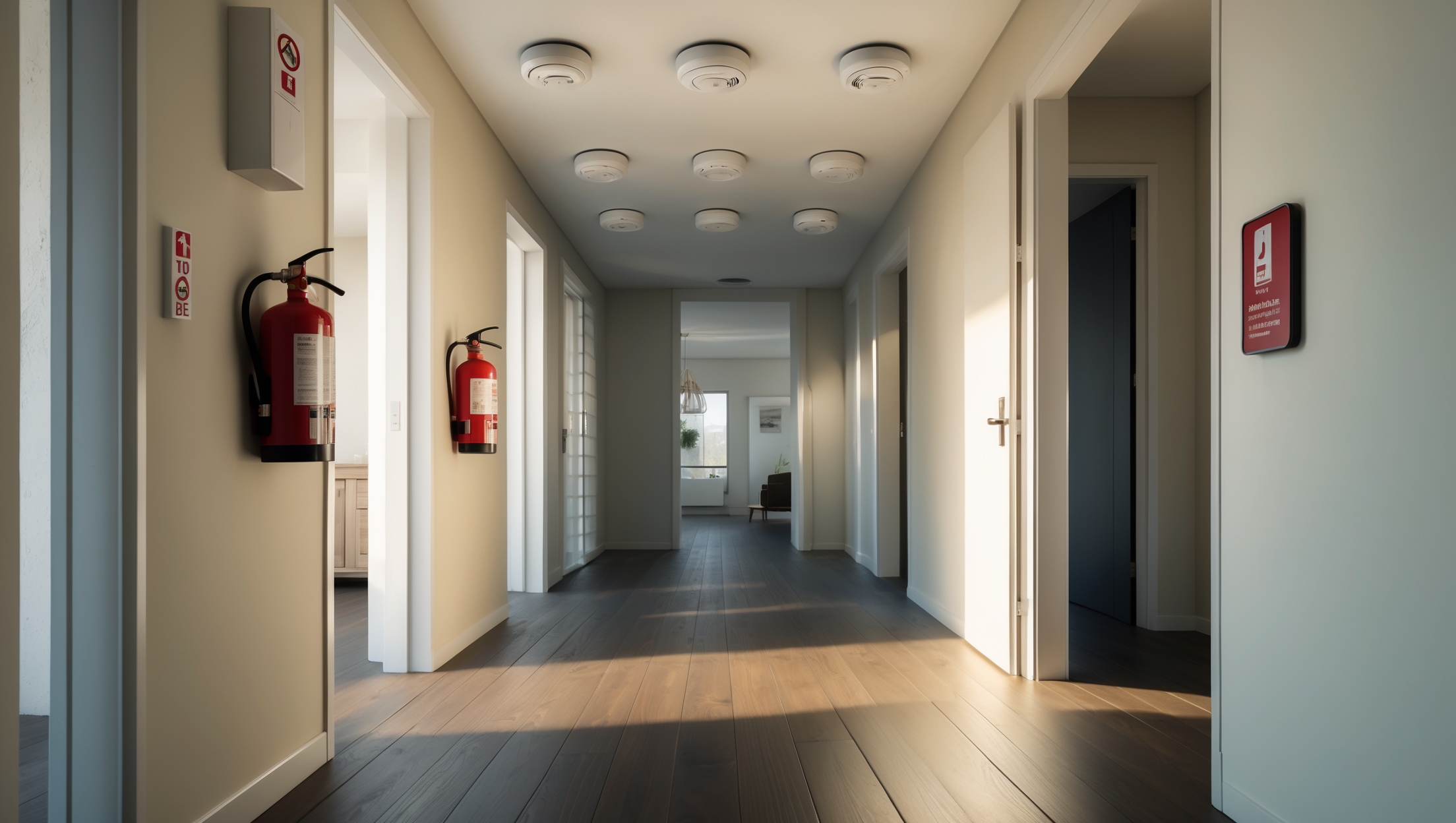
Introduction: Why Correct Smoke Detector Placement Matters
When it comes to home safety, few devices are as crucial as smoke detectors. These small, often-overlooked gadgets serve as your primary line of defense against the devastating effects of house fires. Yet, despite their importance, many homeowners make preventable mistakes when installing or maintaining them, undercutting their effectiveness and putting loved ones and property at risk. The National Fire Protection Association (NFPA) estimates that three out of five home fire deaths occur in properties without working smoke alarms, often due to poor placement or maintenance. Ensuring your smoke detectors are correctly positioned, tested, and maintained isn’t just a matter of compliance—it’s a simple but powerful step in safeguarding your home. In this detailed guide, we’ll uncover common placement errors, practical installation strategies, and maintenance routines that can make all the difference in an emergency. Whether you’re equipping a new build or upgrading an older home, these actionable tips will help you avoid hidden pitfalls and achieve reliable fire protection.
Understanding Smoke Detector Types and Their Importance
Ionization vs. Photoelectric Detectors
Before diving into placement, it’s essential to understand the two main types of smoke detectors:
- Ionization detectors: Best at detecting fast, flaming fires. They use a small amount of radioactive material between two electrically charged plates, ionizing the air and sensing smoke disruption.
- Photoelectric detectors: More responsive to smoldering, smoky fires. They use a light beam and sensor; smoke causes the beam to scatter, triggering the alarm.
For optimal protection, most modern safety codes recommend installing both types or using dual-sensor units.
Where Smoke Detectors Are Most Effective
Smoke rises and spreads rapidly. Detectors should be positioned to catch smoke early, particularly in:
- Sleeping areas and hallways leading to bedrooms
- Living rooms or dens
- Each level of the home, including basements and attics
Neglecting these zones can create dangerous detection gaps.
Common Smoke Detector Placement Mistakes
1. Installing Detectors Too Close to the Kitchen or Bathroom
Placing smoke detectors directly outside kitchens or bathrooms can result in frequent false alarms due to cooking smoke or steam. This often leads homeowners to disable or remove alarms—an extremely risky move. Instead, position detectors at least 10 feet (3 meters) away from cooking appliances and showers.
2. Mounting on Walls Instead of Ceilings
Smoke rises vertically, so mounting detectors on ceilings is preferred. If wall mounting is necessary, keep the detector within 12 inches (30 cm) of the ceiling. Never install smoke alarms near the corners where air may stagnate, delaying detection.
3. Skipping Bedrooms and Sleeping Areas
Many people assume one smoke detector in a hallway is enough. In reality, each bedroom should have its own detector, especially if doors are kept closed at night. Fires can start unnoticed behind closed doors, and early warning is critical.
4. Neglecting Basements and Upper Levels
Basements are common sources of electrical and appliance fires. Failing to install a detector on each level, including attics used for living or storage, leaves your home vulnerable.
5. Positioning Near Windows, Doors, or Air Vents
Drafts from windows, doors, or HVAC vents can divert smoke away from detectors, delaying alarm activation. Maintain at least 36 inches (90 cm) between detectors and any air movement sources.
6. Ignoring Sloped or Vaulted Ceilings
On pitched ceilings, smoke rises to the highest point. Detectors should be installed within 36 inches (90 cm) of the apex but not right in the corner, where dead air pockets may form.
Step-by-Step Guide to Correct Smoke Detector Placement
Step 1: Review Local Codes and Manufacturer’s Instructions
Building codes may have specific requirements for smoke detector placement, spacing, and interconnection. Always consult your local authority and the device’s manual before installation.
Step 2: Map Out Your Home
Draw a floor plan of your home. Mark:
- All bedrooms and sleeping areas
- Hallways leading to sleeping areas
- Each floor, including the basement and attic (if applicable)
- Kitchen, bathrooms, laundry rooms, and areas with potential fire hazards
This visual helps you identify where detectors are needed and spot coverage gaps.
Step 3: Determine Detector Locations
- Inside every bedroom and outside each sleeping area: Place a detector in each bedroom and one in the hallway outside.
- On every level of the home: Install at least one detector per floor, including basements and finished attics.
- Stairways: Place detectors near the top of stairs, as smoke travels upward.
- Living areas: Install in family rooms, dens, or other common spaces.
Step 4: Avoid Problem Areas
- Don’t place within 10 feet of cooking appliances or bathrooms.
- Stay at least 3 feet away from windows, ducts, and vents.
- On sloped ceilings, mount within 36 inches of the peak, at least 4 inches from the apex’s tip.
Step 5: Install at the Correct Height
- Ceiling mount: Place at least 4 inches from the nearest wall.
- Wall mount: Position 4–12 inches from the ceiling.
This ensures the detector is in the path of rising smoke, not in dead air pockets.
Step 6: Interconnect Detectors Where Possible
Modern codes encourage interconnected smoke alarms so when one sounds, all alarms go off. Hardwired or wireless interconnected systems provide the fastest warning throughout the home.
Smoke Detector Maintenance Best Practices
Monthly Testing Routine
- Press the “test” button on each detector once a month.
- Listen for the alarm; if it doesn’t sound, replace the batteries or the device itself if needed.
Annual Battery Replacement
Even if your alarms are hardwired, most have backup batteries. Change the batteries at least once a year or whenever the low-battery beep sounds. A good reminder is to do this when you change your clocks for daylight saving time.
Cleaning and Dusting
Dust and debris can interfere with sensors. Gently vacuum around the detector’s vents every few months. Avoid using cleaning sprays or painting over detectors, as this will reduce their sensitivity.
Replacement Timeline
Smoke detectors have a limited lifespan—usually 8–10 years. Check the manufacturer’s label for the manufacturing date and replace units that are past their prime, even if they seem to work. Sensors degrade over time.
Compliance and Permit Considerations
Local Code Requirements
Building codes vary by state and municipality. Many require:
- Specific types of alarms (e.g., dual-sensor, interconnected)
- Minimum number and locations per square footage
- Hardwired detectors in new construction or major renovations
Check with your local building department for precise regulations before starting a project.
Permits for Electrical Work
Hardwiring new detectors may require an electrical permit, especially if you’re installing interconnected systems. Always hire a licensed electrician for wiring upgrades to ensure safety and compliance.
Documentation for Home Sales
Many states require proof of working, code-compliant smoke detectors during home sales or rentals. Keep records of installation, locations, and maintenance.
Insurance Essentials: How Placement Affects Coverage
Home insurance policies often require functional smoke detectors in key areas. Failure to install or maintain them properly can affect claim approval after a fire. Some insurers offer premium discounts for compliant, interconnected systems or monitored alarms that alert emergency services. Contact your agent to understand your policy’s requirements and potential savings.
Bonus: Smart Smoke Detectors and Integration
Benefits of Smart Detectors
- Remote alerts to your phone in case of alarm activation
- Integration with home automation systems
- Self-testing and low-battery notifications
Smart detectors can be particularly helpful for frequent travelers or those with larger homes, reducing the risk of an unnoticed, disabled, or malfunctioning alarm.
Installation Tips for Smart Devices
- Follow the same placement guidelines as traditional detectors.
- Ensure a reliable Wi-Fi connection at each location.
- Regularly update device firmware for security and performance.
Conclusion: Take Action for Reliable Fire Protection
Installing smoke detectors is one of the simplest, most effective ways to protect your family and home—but only if you do it right. Misplaced alarms, neglected maintenance, and failure to comply with local codes can render even the best device useless when you need it most. By understanding common placement errors and following expert-backed best practices, you can close dangerous gaps in your home’s fire defense. Remember to map out your home’s layout, avoid problem areas like kitchens and bathrooms, and install alarms in every sleeping area and on each level. Regular testing and timely replacement will ensure your detectors are always ready to respond. Don’t forget to check local code requirements and investigate insurance benefits—compliance can save you money as well as lives. Finally, consider upgrading to smart detectors for remote monitoring and added peace of mind. Protecting your home from fire doesn’t require expensive renovations or complex systems—just careful planning, a few well-placed devices, and a commitment to ongoing maintenance. Take action today, and ensure your home’s first line of defense is both reliable and ready.