

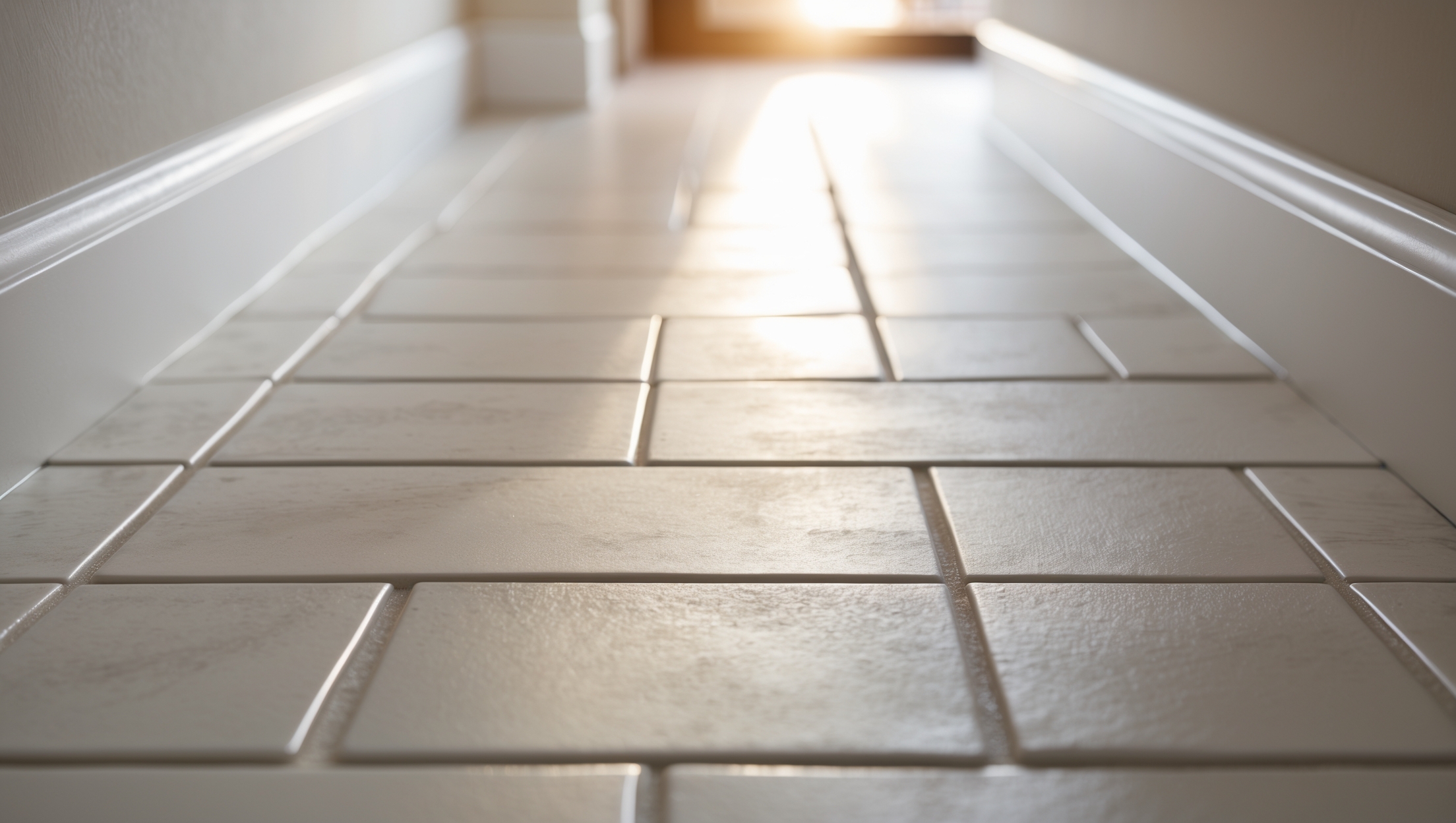
Introduction: Why Tile Flooring Upgrades Make Sense
Tile flooring is a timeless choice for homeowners seeking durability, low maintenance, and a touch of elegance in high-traffic areas like kitchens, bathrooms, mudrooms, and entryways. But many homeowners hesitate to upgrade their floors, unsure about the real costs, the tools required, and the steps involved in achieving a flawless finish. A successful tile flooring upgrade not only boosts your home’s value and visual appeal but also improves hygiene, moisture resistance, and ease of cleaning. Whether you’re replacing worn-out vinyl, outdated linoleum, or simply seeking a stylish refresh, understanding the essentials of tile floor installation is critical to avoid costly mistakes and frustration. This guide provides a comprehensive, expert-driven roadmap—covering realistic budgeting, must-have tools, and a practical, step-by-step installation tutorial—empowering you to approach your project with clarity and confidence. From selecting the right materials to nailing the finishing details, every decision impacts the longevity and look of your new tile floor. Let’s demystify the process and help you achieve professional-level results on your next home improvement venture.
Cost Planning: What to Expect for Tile Flooring Upgrades
Main Cost Factors
- Tile Material: Ceramic, porcelain, natural stone (like marble or slate), and specialty tiles each have unique price points and requirements.
- Subfloor Preparation: Leveling, cleaning, and repairing the base adds time and expense.
- Adhesives and Grout: Quality thinset mortar and grout are essential for longevity.
- Tools and Equipment: Renting or buying tile saws, spacers, and trowels.
- Labor: DIY vs. professional installation.
- Disposal: Removing and disposing of old flooring materials.
Typical Price Ranges
- Tile Material:
- Ceramic: $1–$5 per sq ft
- Porcelain: $3–$10 per sq ft
- Natural Stone: $5–$20+ per sq ft
- Adhesives and Grout: $0.50–$2 per sq ft
- Subfloor Prep Materials: $1–$3 per sq ft (if repairs needed)
- Professional Labor: $5–$15 per sq ft (DIY saves on this cost)
- Tool Rental/Purchase: $40–$100+ (tile saw rental), $20–$50 (hand tools)
- Old Floor Disposal: $0.50–$2 per sq ft
Sample Budget Breakdown (200 sq ft Kitchen)
- Tile (Ceramic, mid-range): $600
- Adhesives & Grout: $250
- Subfloor Prep: $300
- Tools (rental/purchase): $130
- Disposal: $200
- Total DIY Cost: ~$1,480
- Total with Professional Labor: $2,500–$4,500
Always add a 10–15% material overage for cuts, mistakes, and future repairs.
Essential Tools & Equipment: What You’ll Need
- Measuring Tape & Chalk Line: For accurate layout.
- Tile Cutter/Tile Wet Saw: For precise cuts, especially on harder materials.
- Notched Trowel: To spread thinset mortar evenly.
- Tile Spacers: Maintain uniform grout lines.
- Rubber Grout Float: For applying grout.
- Sponge & Bucket: Cleaning excess grout and mortar.
- Knee Pads: Comfort during long installation sessions.
- Level & Straight Edge: Ensure a flat, even surface.
- Mixing Paddle/Drill: For mixing mortar and grout.
- Utility Knife: For cutting underlayment or trimming as needed.
- Hammer & Pry Bar: Removing old flooring and prepping subfloor.
- Safety Gear: Gloves, safety glasses, and dust mask.
Choosing the Right Tile: Material, Size, and Finish
Material Selection
- Ceramic: Affordable, easy to cut, many colors/patterns. Good for most indoor floors.
- Porcelain: Denser, more water-resistant, ideal for bathrooms and kitchens.
- Natural Stone: Unique patterns, adds value, requires sealing and more precise installation.
Size & Layout
- Standard Sizes: 12″x12″, 18″x18″, or plank-style tiles.
- Larger Tiles: Fewer grout lines, modern look, but require a very flat subfloor.
- Small Tiles/Mosaics: Great for intricate designs or small spaces.
Consider slip resistance (rated by the COF—Coefficient of Friction), especially in wet areas.
Finish Options
- Matte: Hides smudges and is less slippery.
- Glossy: Brighter look, but can be slippery when wet.
- Textured: Best for bathrooms or entryways where traction is critical.
Preparing for Installation: Subfloor Assessment & Prep
1. Remove Old Flooring
Take out any existing floor covering (vinyl, laminate, carpet, etc.) using a utility knife, pry bar, and hammer. Remove baseboards gently for reuse.
2. Inspect and Repair Subfloor
- Check for Flatness: Use a long level or straight edge. Variations should not exceed 1/8″ over 10 feet.
- Repair Damage: Replace or patch damaged plywood or concrete. Fill cracks and holes.
- Clean Thoroughly: Remove dust, debris, and adhesive residue.
3. Install Underlayment (if needed)
- For wood subfloors, cement backer board is often required. Secure with screws and mesh tape at seams. For concrete, patch and level as needed.
Step-by-Step Tile Flooring Installation Guide
Step 1: Plan Your Layout
- Measure the room and snap perpendicular chalk lines to find the center.
- Dry-lay tiles along these lines to preview the layout and avoid thin slivers at edges.
- Adjust lines as needed for balanced cuts at walls and doorways.
Step 2: Mix and Apply Mortar
- Mix thinset mortar per manufacturer’s instructions (consistency of peanut butter).
- Work in small sections. Use your notched trowel to spread mortar evenly, holding at a 45-degree angle.
Step 3: Set the Tiles
- Press tiles firmly into the mortar, twisting slightly for good adhesion.
- Insert spacers at each corner for uniform grout lines.
- Check periodically with a level; adjust as needed.
- Continue row by row, cutting tiles at edges with a wet saw or tile cutter.
Step 4: Allow Mortar to Cure
- Wait 24 hours (or as specified by mortar manufacturer) before grouting. Avoid walking on tiles during this period.
Step 5: Apply Grout
- Mix grout to a creamy consistency.
- Use a rubber float to spread grout diagonally across tiles, pressing into joints.
- Wipe excess grout off tiles with a damp sponge, rinsing frequently.
- Allow grout to set for 20–30 minutes; clean haze from tile surface with a clean, slightly damp cloth.
Step 6: Final Touches
- After 24–72 hours, apply grout sealer (especially for natural stone or unglazed tile).
- Reinstall or replace baseboards and trim.
- Allow full cure time (per product specs) before heavy furniture placement or mopping.
Pro Tips for a Flawless Tile Floor
- Buy Extra Tiles: Keep 5–10% extra for future repairs; dye lots can vary between batches.
- Check for Lippage: Ensure each tile is level with its neighbors to avoid uneven edges.
- Mind Expansion Joints: In large areas, leave an expansion gap at walls and transitions to prevent cracking.
- Use the Right Grout: Sanded grout for wider joints (1/8″+), unsanded for narrower.
- Change Water Frequently: When sponging grout, use clean water to avoid haze.
- Seal Where Needed: Natural stone and some grout types require periodic sealing for stain resistance.
Common Mistakes to Avoid
- Skipping subfloor leveling—leads to cracked tiles and grout.
- Using the wrong trowel size for your tile—affects adhesion.
- Not cleaning out grout joints before grouting—causes weak spots.
- Walking on tiles before mortar cures—results in uneven tiles.
- Neglecting expansion gaps at edges—can cause buckling or cracking.
Maintenance Best Practices for Long-Lasting Tile Floors
- Sweep or vacuum frequently to remove grit that can scratch surfaces.
- Mop with a damp mop and mild detergent; avoid harsh chemicals on grout or stone tiles.
- Promptly wipe up spills to prevent grout staining.
- Inspect grout lines periodically and re-seal as needed (every 1–2 years for high-traffic areas).
- Place mats at entryways to reduce tracked-in dirt and moisture.
Conclusion: Achieve Professional Results with Confidence
Tiling a floor is a rewarding home improvement project that can dramatically transform your living space, add value, and increase everyday comfort. While the process may seem daunting at first, careful planning, the right tools, and a methodical approach make it entirely achievable for motivated DIYers. By budgeting accurately, selecting quality materials, and following each installation step closely, you’ll create a beautiful, hard-wearing floor that lasts for decades. Remember—success starts with a flawless foundation: don’t rush subfloor prep or layout planning. Invest in the proper tools and take the time to master each phase, from mortar mixing to grout application and sealing. If you ever feel uncertain, consult manufacturer guidelines or seek advice from a local tile supplier. With a little patience and attention to detail, your tile flooring upgrade will deliver both immediate satisfaction and lasting value. So gather your tools, roll up your sleeves, and enjoy the transformation—your new tile floor is well within reach.
I see the article breaks down the costs for different types of tile materials, but how do you recommend deciding between ceramic and porcelain for a kitchen with kids and pets? Is one easier to keep clean or more resistant to chips and stains?
For a kitchen with kids and pets, porcelain is generally the better choice. It’s denser, more resistant to chips, and less likely to stain compared to ceramic. Porcelain also tends to handle moisture and heavy foot traffic better. Both are easy to clean, but porcelain’s durability gives it an edge in busy kitchens where spills and drops are common.
Can you break down what the main steps are after removing old vinyl flooring before actually placing the new tiles? I’m trying to visualize the timeline and figure out how many weekends I should set aside for this project.
After removing old vinyl flooring, you’ll need to clean any leftover adhesive, check and repair the subfloor, and ensure it’s dry and level. Then, measure and lay out your tile pattern, do a dry-fit, and possibly install a backer board. Each step can take a few hours to a day depending on room size and your pace, so for a standard room, plan on two to three weekends from prep through installation and grout.