
Introduction: Why a Seasonal HVAC Checklist Matters
Your heating, ventilation, and air conditioning (HVAC) system is the unsung hero of home comfort. Whether you’re bracing for winter chills or summer heatwaves, a well-maintained HVAC system keeps your indoor environment safe, healthy, and energy efficient. Yet, many homeowners neglect regular maintenance, leading to higher energy bills, premature breakdowns, and avoidable safety hazards. Creating and following a seasonal HVAC checklist is the single most effective way to extend the life of your equipment, reduce unexpected repair costs, and ensure optimal performance.
This comprehensive guide provides a practical, step-by-step seasonal HVAC checklist tailored for homeowners at any experience level. We’ll break down essential maintenance tasks for spring, summer, fall, and winter, highlight budgeting strategies for common costs, and shine a light on crucial safety best practices. Whether you’re a DIY enthusiast or prefer to hire pros, these actionable tips will empower you to take control of your home’s climate system year-round—saving money, improving air quality, and protecting your investment.
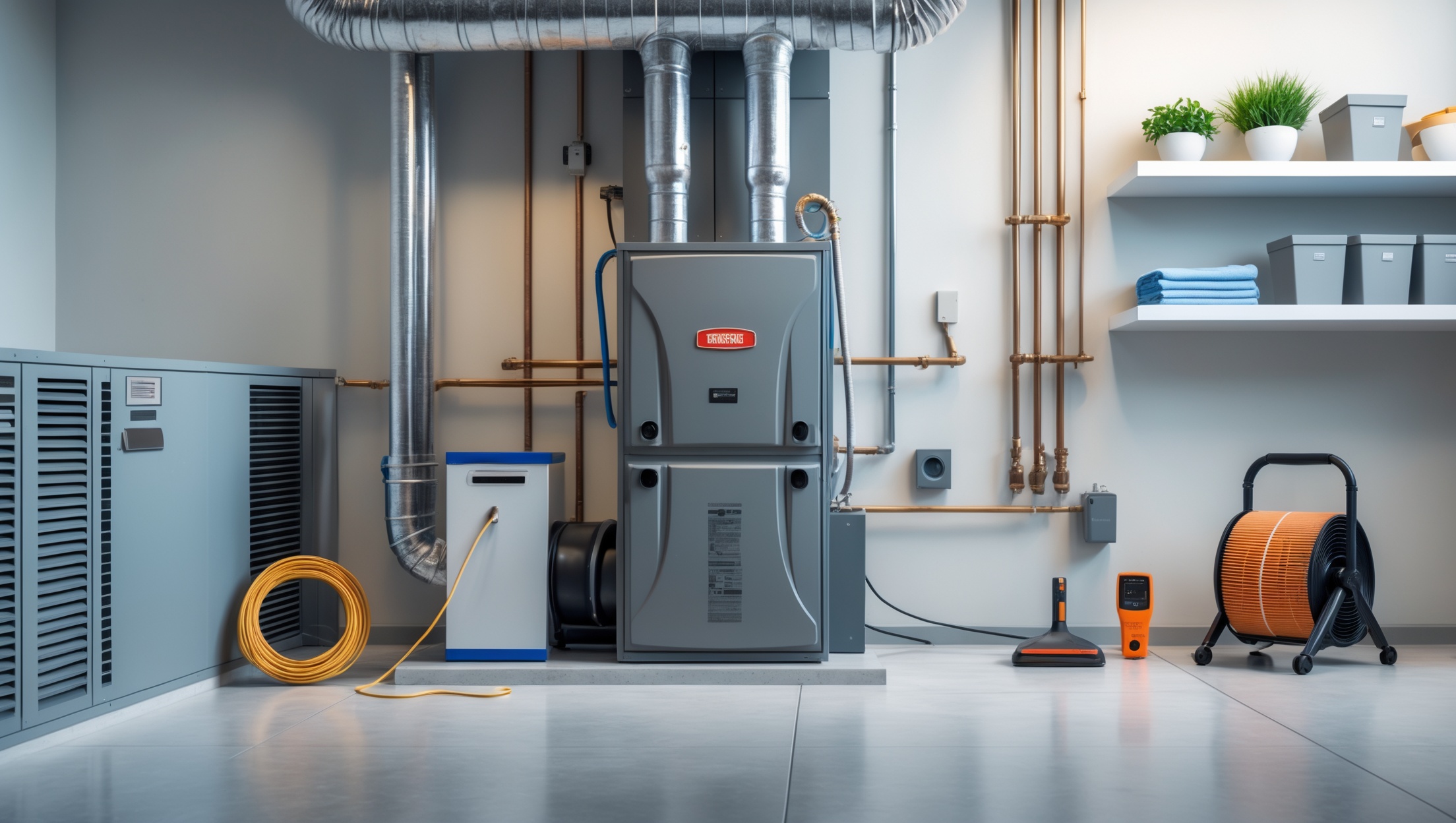
Understanding Your HVAC System: Core Components and Functions
Main System Types
- Furnace (Gas, Oil, Electric): Provides heating via forced air.
- Central Air Conditioner: Delivers cooling through ductwork.
- Heat Pump: Offers both heating and cooling functions.
- Ductless Mini-Split: Zoned heating/cooling without ductwork.
Key Components
- Air Handler or Blower
- Evaporator and Condenser Coils
- Thermostat
- Air Filters
- Ductwork
- Drain Lines and Pans
Knowing your system type and critical components will help you personalize the checklist and spot issues before they escalate.
Spring HVAC Checklist: Preparing for Cooling Season
1. Replace or Clean Air Filters
Dirty filters restrict airflow, strain your system, and reduce indoor air quality. Replace disposable filters or clean reusable ones every 1-3 months; spring is an ideal time to start fresh.
2. Inspect and Clean Condenser Unit
- Shut off power to the unit.
- Clear debris, leaves, and dirt from around the outdoor condenser.
- Use a garden hose (low pressure) to gently clean condenser coils.
- Check for bent fins and straighten with a fin comb if needed.
3. Check and Clear Drainage Lines
Clogged condensate lines can cause water leaks and mold. Flush the drain line with a mix of water and vinegar, and inspect the drain pan for cracks or standing water.
4. Test Thermostat Function
Set your thermostat to cooling mode. Listen for the system to start, check for cool air at the vents, and calibrate or upgrade to a programmable thermostat if needed.
5. Ductwork Inspection
- Check exposed ducts for visible leaks, gaps, or disconnected sections.
- Seal small leaks with mastic or foil-backed tape.
- Consider professional duct cleaning if there’s heavy dust or mold.
6. Schedule Professional Maintenance
Annual spring tune-ups by a licensed technician catch issues early, optimize performance, and often include refrigerant level checks, electrical inspections, and coil cleaning.
Summer HVAC Checklist: Peak Cooling Performance
1. Monitor System Operation
Pay attention to cooling cycles. Short cycling, uneven cooling, or strange noises may signal problems needing professional attention.
2. Replace Filters Mid-Season
Dust, pollen, and pet dander peak in summer. Replace or clean air filters monthly during heavy use.
3. Clean Vents and Registers
- Vacuum supply and return registers to prevent dust buildup.
- Ensure furniture and drapes aren’t blocking airflow.
4. Inspect Insulation
Check attic and duct insulation for deterioration or gaps. Proper insulation reduces system workload and energy costs.
5. Monitor Refrigerant Lines
- Look for ice buildup or condensation on refrigerant lines.
- Insulate exposed lines and call a technician if refrigerant appears low (never attempt to handle refrigerant yourself).
Fall HVAC Checklist: Transitioning to Heating
1. Replace or Clean Filters Again
Start the heating season with a fresh filter to ensure clean air and efficient operation.
2. Clean and Inspect Furnace or Heat Pump
- Clear dust from the furnace area, air intake, and venting system.
- Inspect pilot light or ignition system (for gas furnaces).
- Check for rust, corrosion, or unusual odors.
3. Test Carbon Monoxide and Smoke Detectors
- Replace batteries and test all detectors.
- Install detectors near sleeping areas and on each home level.
4. Program Thermostat for Fall/Winter
Set energy-saving schedules—lower temperatures at night or when away. Smart thermostats can optimize this automatically.
5. Inspect Exhaust Vents and Chimneys
- Ensure vents are clear of debris, nests, or obstructions.
- Hire a professional if you suspect blockages or damage.
Winter HVAC Checklist: Ensuring Reliable Heating
1. Monitor System Performance
Listen for odd noises, check for consistent heating, and note any unusual smells (especially gas). Address issues promptly.
2. Keep Vents and Radiators Clear
- Remove obstructions from all vents and radiators.
- Vacuum regularly to prevent dust buildup.
3. Check for Drafts Around Windows and Doors
Drafts force your system to work harder. Use weatherstripping or caulk to seal leaks and maintain efficiency.
4. Prevent Frozen Pipes
- Maintain adequate heating, especially in uninsulated areas.
- Insulate exposed pipes and open cabinet doors under sinks on cold nights.
5. Schedule Mid-Winter Inspection (Optional)
If your system is aging or heavily used, consider a mid-season professional inspection to catch emerging issues early.
HVAC Maintenance Cost Breakdown and Budgeting Tips
Average Annual Maintenance Costs
- DIY Filters and Supplies: $50–$150
- Professional Tune-Up (Yearly): $100–$300 per visit
- Duct Cleaning (Every 3–5 Years): $300–$800
- Emergency Repairs: $150–$1,000+ (varies by issue)
Budgeting Strategies
- Set aside $15–$25/month for routine maintenance and repairs.
- Join manufacturer or utility maintenance plans for discounts and priority service.
- Keep a maintenance log to track tasks, costs, and warranties.
- Invest in quality filters and programmable thermostats for long-term savings.
HVAC Safety Essentials: Protecting Your Home and Family
1. Electrical Safety
- Always shut off power before inspecting or cleaning your HVAC system.
- Do not attempt to repair electrical components unless you are qualified.
2. Gas and Carbon Monoxide Safety
- Install carbon monoxide detectors and test them monthly.
- If you smell gas, shut off the system, evacuate, and contact the utility company immediately.
3. Fire Prevention
- Keep the area around your furnace and water heater clear of flammable materials.
- Check for soot, scorch marks, or unusual furnace smells.
4. Air Quality and Health
- Change filters regularly to reduce allergens and mold spores.
- Address persistent humidity issues with dehumidifiers or system upgrades.
Tools and Equipment: What Every Homeowner Needs
- Replacement air filters (sized for your system)
- Vacuum with hose attachment
- Soft brush or microfiber cloth
- Fin comb (for condenser coils)
- Flashlight or headlamp
- Non-contact voltage tester
- Programmable thermostat (optional upgrade)
- Basic hand tools: screwdriver, adjustable wrench, pliers
Having these on hand makes routine maintenance safer and more efficient.
When to DIY and When to Call a Professional
Safe DIY Tasks
- Replacing or cleaning filters
- Cleaning vents, registers, and visible ductwork
- Clearing debris from outdoor units
- Replacing thermostat batteries and programming schedules
Professional-Only Tasks
- Refrigerant handling or charging
- Internal electrical repairs
- Gas line, ignition, or burner work
- Major duct repairs or system replacements
If in doubt, always err on the side of safety and consult a licensed technician.
Seasonal HVAC Checklist: Downloadable Template
Consider printing or saving a digital checklist tailored to your system. Mark off completed tasks and set reminders for upcoming maintenance. Keeping records helps you stay proactive and supports warranty claims if issues arise.
Conclusion: Stay Comfortable and Save with Smart HVAC Maintenance
Regular, seasonal HVAC maintenance isn’t just about comfort—it’s about safeguarding your home, your health, and your budget. By following this targeted checklist, you’ll prevent the most common system failures, spot small problems before they become big expenses, and enjoy cleaner air and more consistent temperatures year-round. While some upkeep is easily managed by homeowners, don’t hesitate to call in certified professionals for tune-ups, complex repairs, or safety concerns. Their expertise is invaluable, especially as systems age or if you’re unfamiliar with the equipment.
Budgeting for routine care, investing in quality filters and thermostats, and maintaining a safe, clean system will pay off in lower energy bills, fewer emergency repairs, and, most importantly, peace of mind. As with any major home investment, a few hours each season spent on HVAC care can add years to your system’s life and comfort to your daily living. Get started today—your home (and your wallet) will thank you for it.