
Introduction: Why Chimney Maintenance Matters for Every Homeowner
When it comes to home improvement, chimney maintenance often takes a back seat to more visible projects. Yet, a neglected chimney is one of the leading causes of home fires, costly repairs, and inefficient heating. Whether you rely on your fireplace for cozy winter evenings or simply have a chimney as part of your home’s architecture, regular maintenance is crucial for safety, comfort, and value retention. Ignoring chimney upkeep not only increases the risk of hazardous creosote buildup and carbon monoxide leaks but can also lead to expensive structural damage that insurance may not cover. Understanding the right inspection schedule, knowing the true costs involved, and following best practices for cleaning and safety can save you money and protect your family. This comprehensive guide will walk you through everything you need to know—inspection timelines, budgeting, essential tools, and pro-level safety checklists—for maintaining your chimney in top condition year-round.
Understanding Your Home Chimney: Anatomy & Common Issues
Key Components of a Residential Chimney
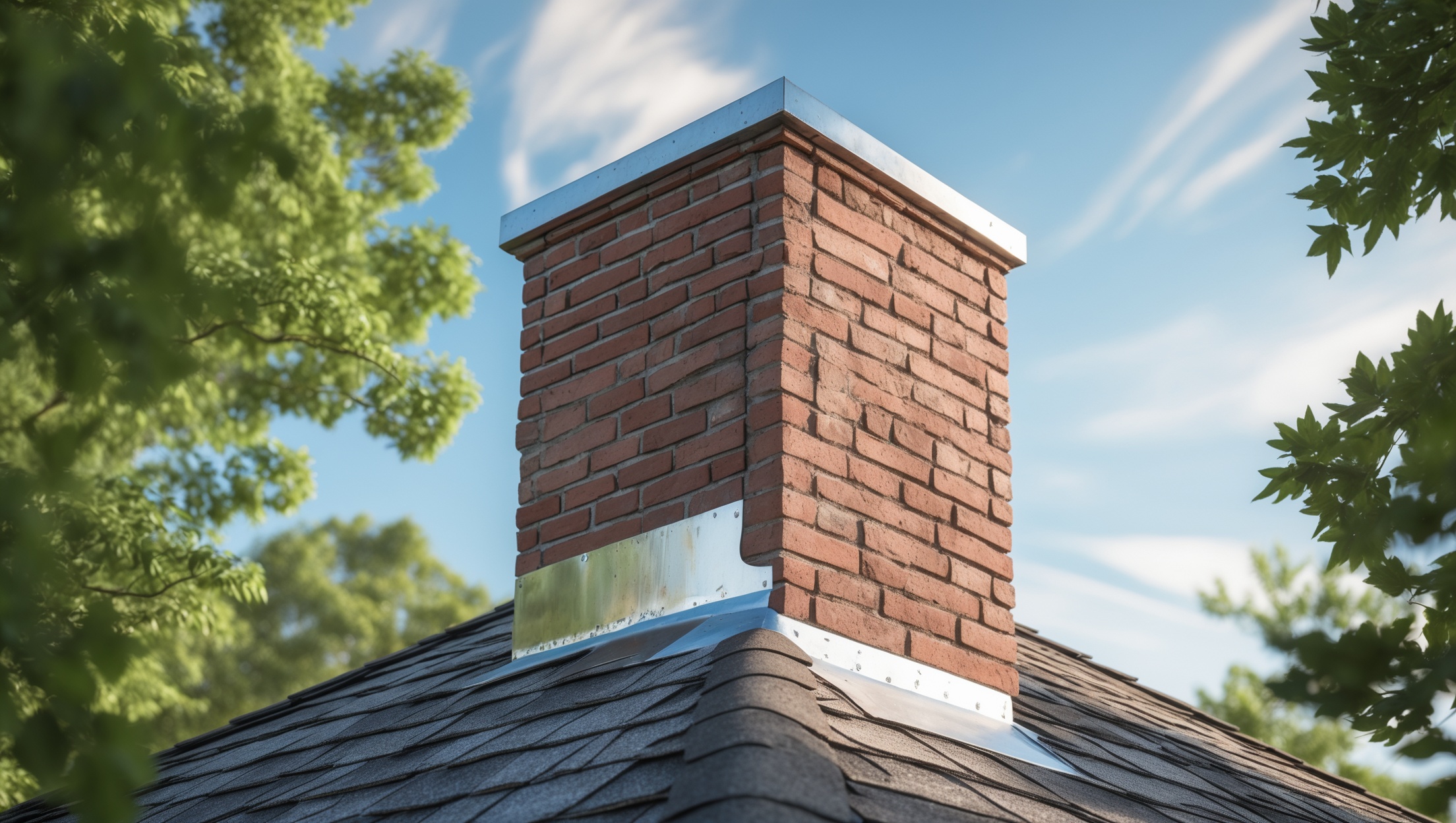
- Chimney Cap: Prevents rain, debris, and animals from entering.
- Flue: The vertical passage that vents smoke and gases.
- Crown: Seals the top and channels water away from the flue.
- Dampers: Regulate airflow and seal off drafts when not in use.
- Firebox: Where combustion occurs (inside the home).
- Smoke Shelf: Catches debris and helps direct smoke up the flue.
- Chimney Liner: Protects masonry from heat and corrosion.
- Masonry/Structure: Bricks, stone, or other material forming the chimney shaft.
Common Chimney Problems
- Creosote Buildup: Highly flammable residue from wood smoke.
- Mortar Deterioration: Weathering or age can crack joints, risking collapse or leaks.
- Flue Blockages: Debris, animal nests, or collapsed liners causing poor draft.
- Water Intrusion: Leads to freeze-thaw damage, rust, or mold.
- Damaged Cap or Crown: Allows rain, snow, or critters inside.
- Spalling Bricks: Bricks flake or break off due to moisture or age.
Inspection Schedules: How Often Should You Check or Clean Your Chimney?
Standard Recommendations
The National Fire Protection Association (NFPA) recommends that all chimneys, fireplaces, and vents be inspected at least once a year, regardless of how often they are used. Even if you rarely light a fire, weather and animal activity can create new risks. If you use your fireplace regularly, plan to have the chimney cleaned annually or after every cord of wood burned, whichever comes first.
Seasonal Inspection Checklist
- Spring: Check for water damage, cracks, and flue blockages after winter.
- Late Summer: Inspect caps, crowns, and flashing before fall use.
- Fall: Schedule professional cleaning and address any repairs before first use.
- Winter: Monitor for unusual odors, smoke, or draft issues during use.
Chimney Maintenance Cost Breakdown
Typical Service Costs
- Annual Inspection: $100–$250 depending on region and chimney type.
- Professional Cleaning (Sweeping): $150–$350 for a standard single-flue chimney.
- Minor Repairs: $200–$500 for crown patching, cap or damper replacement.
- Major Repairs: $1,000–$3,000 for liner replacement, tuckpointing, or extensive masonry work.
- Waterproofing: $150–$400 for a single application (lasts 5–10 years).
DIY maintenance may reduce costs but is not recommended for tasks like sweeping or structural repairs unless you have experience and proper equipment. Professional services ensure safety and may be required for insurance compliance.
Budgeting Tips & Hidden Costs
- Bundle inspection and cleaning to save on service calls.
- Check for local rebates or insurance discounts for regular maintenance.
- Allow for emergency repair savings; freeze-thaw cycles can cause sudden damage.
- Factor in annual maintenance when budgeting for home heating costs.
Essential Chimney Maintenance Tools & Equipment
Must-Have Tools for DIYers
- Wire Chimney Brush: Sized to your flue for effective creosote removal.
- Extension Rods: To reach full length of the chimney.
- Shop Vacuum (HEPA): For ash and debris removal.
- Protective Gear: Dust mask, safety goggles, gloves, and coveralls.
- Drop Cloths: To protect interior spaces.
- Flashlight or Inspection Camera: To detect cracks and blockages.
- Caulk and Mortar Repair Kits: For quick fixes to small cracks.
- Ladder and Roof Safety Harness: For safe roof access.
When to Call a Professional
- Visible cracks in the chimney or firebox.
- Strong odor of smoke or soot inside the house.
- Chimney doesn’t draw properly, or smoke enters the room.
- Large nests, structural damage, or evidence of animal intrusion.
- If the chimney has not been inspected in over a year.
Step-by-Step Chimney Inspection & Maintenance Guide
1. Visual Exterior Inspection
- Examine bricks and mortar for cracks, spalling, or discoloration.
- Check flashing around chimney base for rust, lifting, or gaps.
- Inspect the crown and cap for chipping, gaps, or missing hardware.
- Look for signs of water staining or moss, which indicate moisture issues.
2. Interior Fireplace and Flue Check
- Open the damper and use a flashlight to inspect the flue for soot buildup or obstructions.
- Check the firebox for cracked or loose bricks, missing mortar, and rusted damper parts.
- Smell for strong, acrid or musty odors that could indicate creosote or mold.
3. Creosote and Soot Removal
Using a properly sized wire brush and extension rods, gently scrub the flue from the top down or bottom up, depending on access and preference. Lay drop cloths to catch falling debris, and use a HEPA shop vacuum to remove loosened soot and ash. Take care not to damage the flue liner.
4. Cap, Crown, and Flashing Maintenance
- Clear debris from the chimney cap with a small broom or brush.
- Repair small crown cracks with a chimney crown sealant or patching kit.
- Re-caulk or replace flashing if it is lifting or rusted.
5. Waterproofing and Masonry Protection
Apply a breathable, siloxane-based masonry water repellent to the exterior bricks and crown, preferably after cleaning and repairs. Do not use paint or non-breathable sealers, as they can trap moisture and worsen freeze-thaw damage.
Chimney Safety Checklist: What Every Homeowner Should Know
- Install and test smoke and carbon monoxide detectors throughout the home.
- Never burn trash, treated wood, or wet wood in your fireplace.
- Keep flammable materials (furniture, drapes, decorations) at least three feet from the hearth.
- Use a metal or glass fireplace screen to contain embers.
- Store ashes in a metal container with a tight-fitting lid, away from the house.
- Have a fire extinguisher nearby and ensure all household members know how to use it.
- Do not use the fireplace if you notice smoke backing up into the room or unusual odors.
- Hire a certified chimney sweep annually for inspection and cleaning.
Insurance, Codes, and Compliance: What to Check
Insurance Essentials
- Annual chimney inspections and cleanings may be required for continued fire coverage.
- Keep all service receipts and inspection reports for claims or resale.
- Report any fireplace or chimney modifications to your insurer.
Building Codes & Permits
- Chimney repairs involving structural changes or liner installation may require permits.
- Check local codes for minimum chimney height, clearances, and approved materials.
- Only use certified professionals for major repairs to ensure code compliance.
Pro Tips for Chimney Longevity
- Burn only seasoned hardwood to minimize creosote deposits.
- Schedule major repairs in spring or summer when demand is lower and rates may be cheaper.
- Install a full-coverage chimney cap to prevent animal and water entry year-round.
- Monitor attic and roof areas near the chimney for any signs of leaks or moisture.
- Use a damper seal when the fireplace is not in use to prevent drafts and heat loss.
Conclusion: Peace of Mind Through Proactive Chimney Care
While it’s easy to overlook, proactive chimney maintenance is one of the smartest investments you can make in your home. Annual inspections, regular cleanings, and timely repairs not only prevent fire hazards but also preserve the comfort, efficiency, and value of your living space. By understanding the anatomy of your chimney, sticking to recommended inspection schedules, and budgeting for both routine and emergency maintenance, you’ll avoid the financial and safety pitfalls that come with neglect. Investing in quality tools, knowing when to call a professional, and following a thorough safety checklist will give you confidence every time you light a fire or face a stormy winter. Don’t forget to consult your local codes, keep insurance records up to date, and always prioritize safety for your family and home. With these practical tips and expert insights, you’re well-equipped to enjoy the warmth and ambiance of your fireplace for many years to come—without worry or hassle.