

Introduction: Why a Home Backup Generator Is a Smart Investment
Power outages are no longer rare inconveniences—they’re a growing reality for many homeowners. From severe storms to overloaded grids, losing electricity can disrupt everything: food storage, security systems, home offices, and even critical medical devices. A well-chosen backup generator can transform these interruptions from stressful emergencies into manageable events, ensuring your home keeps running smoothly no matter what Mother Nature throws your way.
But for many, the process of selecting, installing, and maintaining a home generator feels intimidating. There are budgetary concerns, regulations, and technical details to navigate, and making the wrong choice can lead to costly mistakes or even safety hazards. This comprehensive guide will walk you through every step—from understanding generator types and cost breakdowns to securing permits and following a robust maintenance routine. Whether you’re a first-time buyer or upgrading an older unit, you’ll find practical, actionable advice here to ensure reliable backup power when you need it most.
Understanding Home Backup Generator Options
Portable Generators vs. Standby Generators
Home generators fall into two main categories: portable and standby. Understanding the differences is crucial for making the right investment.
- Portable Generators: These are typically gasoline, propane, or diesel-powered units that can be moved as needed. They’re cost-effective and flexible but require manual setup and refueling. Portable generators are best for powering select appliances during shorter outages.
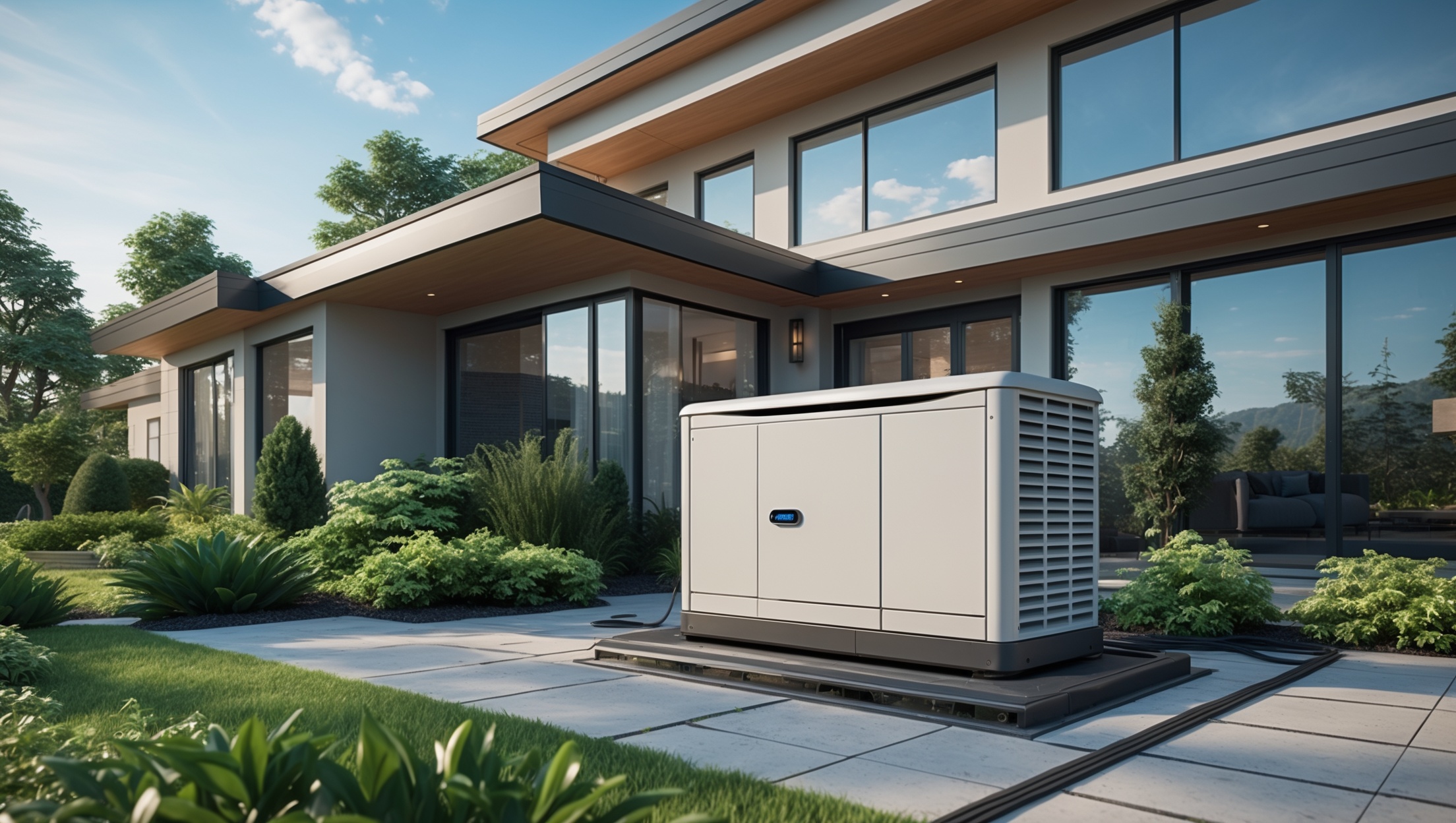
- Standby Generators: Permanently installed outside your home and connected to your electrical panel, standby generators run on natural gas or propane. They start automatically during an outage, can power your entire home, and require professional installation—but come at a higher upfront cost.
Key Considerations for Choosing a Generator
- Power Needs: Calculate the wattage required for essential circuits. Consider whether you want to back up the whole house or just key systems such as refrigerators, sump pumps, and lighting.
- Fuel Source: Standby generators often use natural gas (if available), while portables may use gasoline or propane. Factor in fuel availability and storage.
- Automatic Transfer Switch (ATS): An ATS detects outages and switches power sources seamlessly—critical for standby systems.
- Noise Levels: Consider local ordinances and personal comfort when assessing decibel ratings.
Cost Breakdown: What to Expect When Budgeting
Generator Unit Costs
- Portable Generators: $400–$2,500 depending on wattage and features.
- Standby Generators: $2,500–$10,000+ based on capacity, brand, and technology.
Installation Expenses
- Site Preparation: Concrete pads for standby units ($300–$800), weatherproof enclosures if needed.
- Electrical Work: Professional installation fees ($1,000–$3,500) for wiring, transfer switch, and panel integration.
- Plumbing (for natural gas lines): Additional $500–$2,000 depending on distance and complexity.
Permits and Inspection Fees
- Permit Applications: $50–$500, depending on local regulations and scope of work.
- Inspection Fees: Typically $50–$200 for final approval.
Operational and Maintenance Costs
- Fuel: Variable; expect $2–$6 per hour of operation (portable units) or monthly natural gas charges (standby units).
- Routine Maintenance: $200–$600 per year, including oil changes, filter replacements, and professional checkups.
- Insurance: Homeowner policy premiums may rise slightly; check with your provider.
Permit and Compliance Steps: Navigating Local Requirements
Why Permits Matter
Installing a home backup generator is not a DIY-only project—most municipalities require permits to ensure electrical and gas work meets safety codes. Skipping permits can result in fines, forced removal, or denied insurance claims if something goes wrong.
Step-by-Step Permit Process
- Contact Local Building Department: Start by calling or visiting your municipality’s building office. Inquire about specific permit types required for generator installation.
- Gather Documentation: You’ll need generator specifications, site plans, and contractor details. Some areas require proof of licensed professionals for electrical or gas work.
- Submit Application: Complete all paperwork and pay associated fees. Some jurisdictions offer online applications; others require in-person submission.
- Schedule Inspections: Mid-project and final inspections ensure compliance with electrical, fuel, and noise codes.
- Obtain Approval: Only use your generator after passing all inspections and receiving final written approval.
Common Compliance Issues
- Setback Requirements: Generators must be installed a minimum distance from windows, doors, and property lines to prevent carbon monoxide risks.
- Noise Ordinances: Check decibel limits for residential neighborhoods.
- Utility Company Notification: Some power providers require notification or pre-approval, especially for whole-home standby units.
- HOA Rules: Homeowners associations may have additional guidelines or aesthetic requirements.
Installation: Step-by-Step Setup Overview
Site Selection
- Choose a Level, Well-Drained Area: Avoid flood-prone regions and ensure adequate airflow around the generator.
- Proximity to Fuel and Electrical Connections: Minimize pipe and wire runs for efficiency and cost savings.
- Accessibility: Leave ample space for maintenance and inspection.
Professional Installation Steps
- Prepare Foundation: Pour a concrete pad or install prefabricated base to support the generator’s weight and vibration.
- Mount the Generator: Securely fasten the unit to the foundation, ensuring it’s level and stable.
- Connect Fuel Source: Licensed professionals should handle all gas line connections and leak checks.
- Electrical Integration: Install the automatic transfer switch and connect to the main panel. Test for proper operation and safe switching.
- System Testing: Simulate a power outage to confirm automatic startup and electrical transfer. Check for leaks, vibrations, and abnormal noises.
Essential Tools & Equipment Guide
- For Portable Generators:
- Heavy-duty extension cords (rated for outdoor use and appropriate wattage)
- Fuel stabilizer
- Wheel kit (if not included)
- Weatherproof generator cover
- Manual transfer switch (for safer home integration)
- For Standby Generators:
- Concrete tools (for pad preparation)
- Voltage meter and circuit tester
- Pipe wrenches (for fuel connections)
- Conduit bender (for safe electrical runs)
- Personal protective equipment (PPE): gloves, goggles, hearing protection
Insurance Essentials: Protecting Your Investment
Notifying Your Insurance Provider
Once your generator is installed, contact your homeowner’s insurance provider. Supplying documentation (receipts, photos, inspection approvals) may help ensure proper coverage for both the generator and any associated liability.
What’s Typically Covered?
- Physical Damage: Fire, theft, vandalism, or weather-related damage to the generator itself.
- Liability: Injuries or property damage caused by generator malfunction may be included in some policies.
- Exclusions: Improper installation or failure to follow maintenance guidelines may void coverage.
Tips for Lowering Premiums
- Professional Installation: Insurers may offer discounts for systems installed by licensed contractors with proper permits.
- Safety Features: Carbon monoxide detectors, surge protection, and regular maintenance records demonstrate reduced risk.
Maintenance Best Practices: Keeping Your Generator Ready
Routine Maintenance Checklist
- Test-run generator monthly under load
- Check and top off oil levels; change oil every 100 hours or as recommended
- Inspect and replace air and fuel filters annually
- Clean spark plugs and replace as needed
- Examine battery terminals and charge/replace battery every 2–3 years
- Inspect for fuel, oil, and coolant leaks
- Check for corrosion on electrical connections
- Update maintenance log with every service or repair
Seasonal and Annual Tasks
- Spring: Clear debris, test cold starts, inspect for rodent damage
- Fall: Replace fuel stabilizer, inspect weatherproofing, check exhaust vents
- Annually: Schedule professional inspection and load test
Safety Checklist: Operating Your Generator Responsibly
- Never operate portable generators indoors or in enclosed spaces
- Install carbon monoxide detectors near living spaces
- Keep generators at least 5 feet from doors, windows, and vents
- Avoid overloading circuits—check wattage requirements
- Store fuel in approved containers away from ignition sources
- Shut down and cool off generator before refueling
- Follow manufacturer’s guidelines for all repairs and parts
Common Myths About Home Generators—Debunked
- “I can plug my generator into any outlet for whole-house power.”
Unsafe and illegal—this “backfeeding” can endanger utility workers and damage your home’s wiring. - “Permits are only for large commercial generators.”
Most residential installations, especially standby units, require permits and inspections. - “Maintenance isn’t necessary if I barely use it.”
Generators need regular testing and upkeep even if rarely run—otherwise, they might not work in an emergency. - “Portable generators are as effective as standby units.”
Portables are useful for limited needs, but they require manual setup and can’t power entire homes with the same reliability as standby systems.
Conclusion: Powering Peace of Mind with the Right Generator Plan
Investing in a home backup generator is about more than just keeping the lights on—it’s about safeguarding your comfort, security, and peace of mind when the unexpected occurs. The process may seem complex at first glance, but with careful planning, practical budgeting, and attention to local regulations, you can ensure a smooth installation and years of reliable performance.
Start by evaluating your true power needs and choosing the right generator type for your home. Build a realistic budget that factors in equipment, installation, permits, and ongoing maintenance. Never skip the permit process; local compliance is not just a legal hurdle but a vital safety net for you and your neighbors. Collaborate with professionals for installation, and maintain detailed records to protect your investment and simplify insurance claims.
Finally, adopt a proactive maintenance routine and stay vigilant about safety protocols. A well-maintained generator isn’t just a backup plan—it’s a trusted asset that stands ready to support your family through storms, blackouts, and the unknown. With the right strategy, a backup generator becomes one of the wisest home improvements you can make, delivering peace of mind season after season.